Yes—olive oil cast iron seasoning is possible, but it’s best reserved for quick, thin wipe-down maintenance after cooking, not for building a tough base layer.
For initial seasoning or deep re-seasoning, choose neutral, higher–smoke point oils like grapeseed, canola/vegetable, or avocado to avoid sticky or gummy residue; if you must use olive, refined olive oil performs better than extra virgin and should be applied in an ultra-thin coat.
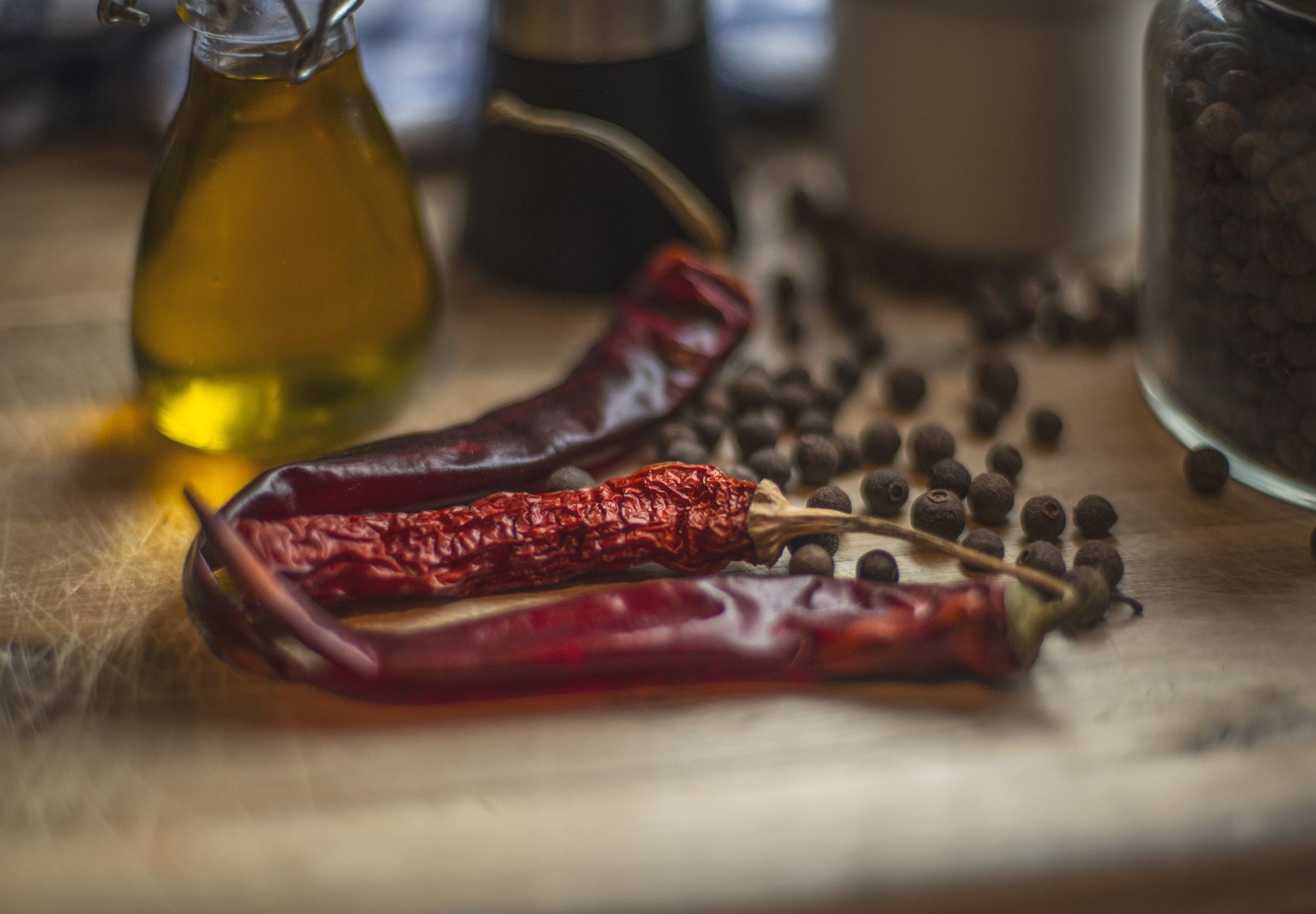
Olive oil cast iron seasoning: when to use it, when to skip it
Olive oil has a lower smoke point than many neutral oils and contains more monounsaturated fats, which can polymerize into a functional film but tend to be more prone to tackiness if you apply too much or keep the temperature too low. That’s why olive oil is acceptable for maintenance—a near-dry wipe while the pan is warm—yet not ideal for building or repairing the foundational seasoning layer.
Use this simple decision guide:
- If you just finished cooking and the pan is warm (not smoking), add 1–2 drops of olive oil to a paper towel and wipe until the surface looks nearly dry. That’s a maintenance wipe.
- If you’re stripping and rebuilding the base layer, or the pan has patchy bare spots, use grapeseed, canola/vegetable, or avocado oil.
- If you cook at high heat regularly, prefer canola/grapeseed for maintenance to reduce stickiness risk.
Numbers that prevent stickiness: bake at 450–500°F for 60 minutes for base coats; use about 1/2 teaspoon (2–3 mL) of oil for a 10-inch pan per coat; wipe to a barely-there sheen with no visible pooling. If you must use olive, refined beats extra virgin here because it tolerates heat better and smokes later.
Cost/value note: canola/vegetable are usually the cheapest and reliable for base coats; grapeseed and avocado can produce slick results, but often cost more and may be harder to find in some stores.
Best oils for base seasoning (and why smoke point and fat profile matter)
Seasoning is a simple polymerization process: thin layers of oil bond to the iron and harden into a slick, protective film. Oils richer in polyunsaturated fats (PUFAs), such as grapeseed and some vegetable blends, often polymerize into harder coatings under high heat. A higher smoke point also helps you bake at temperatures that drive polymerization without excessive smoking or scorching.
Recommended for base seasoning:
- Grapeseed oil (smoke point ~420°F): neutral flavor, PUFA-rich, consistent hard finish.
- Canola/vegetable oil (smoke point ~400–450°F): widely available, affordable, and reliable.
- Avocado oil (refined) (smoke point ~500°F): heat-tolerant; good for high-temperature ovens and stovetops.
- Flaxseed oil (low smoke point, PUFA-rich): can form a hard layer quickly, but is finicky—prone to flaking if coats are not ultra-thin or baking conditions vary; many cooks use it successfully, others avoid it.
Acceptable but suboptimal for base seasoning:
- Olive oil: works, but often ends up sticky when coats aren’t extremely thin or temperatures are modest; better for routine maintenance wipes.
What to avoid for base coats:
- Butter, bacon grease, and other animal fats for base seasoning—nice for cooking flavor, but they can leave softer, residue-prone films if baked as the base.
- Flavored or unrefined oils (late smoke points, aromatic impurities) that scorch sooner and are more likely to get gummy.
Want a deeper dive into care fundamentals? See The complete guide to cast iron skillet care and our focused cast iron skillet seasoning guide.
Step-by-step: base seasoning your cast iron (any oil)
These steps work with grapeseed, canola/vegetable, avocado, and even refined olive in a pinch. The key is thin coats and hot bakes.
- Clean: Scrub off food and loose residue. If the pan is rusty or patchy, remove rust with a scrubber or a mild abrasion, then rinse.
- Dry fully: Place it on a burner over medium heat for 3–5 minutes to drive off water.
- Apply a tiny amount of oil: About 1/2 teaspoon for a 10-inch skillet. Use a folded paper towel to spread a thin film over the entire surface—inside, outside, and handle.
- Wipe almost all of it off: Use a clean towel and buff until the surface looks nearly dry. You’re aiming for a faint sheen, not a visible layer.
- Bake: Place the pan upside down on the oven rack (put foil or a sheet under it to catch drips). Bake at 450–500°F for 60 minutes.
- Cool in the oven: Turn the oven off and let the pan cool inside to reduce moisture shock.
- Repeat 2–3 coats: For a durable base, do 2–3 total coats using the same thin-application process.
Ventilate your kitchen well; a little smoke is normal with neutral oils at these temperatures. Thin coats are the difference between a tough, smooth finish and a sticky mess.
Quick maintenance seasoning after cooking with olive oil
Maintenance takes less than a minute and adds up over time. It’s perfect when you don’t need a full oven bake.
- While the pan is warm but not smoking, add 1–2 drops of olive oil to a paper towel.
- Wipe the entire cooking surface to a dry sheen. Remove all visible excess—no pools, no streaks.
- Keep below olive oil’s smoke point. If a wisp of smoke appears, back off the heat and keep wiping.
- Store the pan dry. If you won’t use it for weeks, avoid thick oil layers; a light maintenance wipe before the next use is better than a heavy film now.
If you often cook at high heat or notice tackiness during maintenance, switch to canola or grapeseed for the wipe-down routine. For broader care habits—including cleaning and storage—see Cast Iron Skillet Care: Cleaning, Seasoning and Storage.
Troubleshooting sticky, flaking, or rancid seasoning
Seasoning issues are common and fixable. Here’s what to do, with realistic time estimates.
- Sticky or tacky finish: Bake the empty pan at 500°F for 15–20 minutes to re-polymerize thin residue. If it’s still sticky, wash with hot water and a little soap, dry thoroughly, apply one very thin coat of a neutral oil, and bake a full 60-minute cycle.
- Flaking: Scrub off loose bits, rinse, and dry. Apply an ultra-thin coat and bake one full cycle at 450–500°F. Repeat once if needed. Flaxseed users often see flaking when coats are too thick; the fix is thinner layers and hotter bakes.
- Rancid smell: Wash with mild soap, rinse, dry, heat on the burner for about 5 minutes, then do a single thin maintenance coat and bake 10 minutes at 400–450°F to freshen the surface.
Prevention comes down to technique: ultra-thin coats, hot bakes, and avoiding long storage with heavy oil films. If your kitchen runs humid, a quick warm-up on the burner before cooking helps drive off moisture and lowers the chance of rust and odors.
Oil comparison: smoke point, cost, and best use
Here’s a practical snapshot to help you choose from what you already have in the pantry. Price ranges are ballpark grocery estimates and vary by brand and region; check your store for current pricing.
| Oil | Smoke point (°F) | Fat profile (approx. PUFA %) | Flavor neutrality | Price per oz ($) | Best use | Notes |
|---|---|---|---|---|---|---|
| Grapeseed | ~420 | ~70% | Neutral | 0.20–0.40 | Base, maintenance, cooking | Refined; consistent polymerization |
| Canola/vegetable blend | ~400–450 | ~20–50% | Neutral | 0.08–0.20 | Base, maintenance, cooking | Widely available and affordable |
| Avocado (refined) | ~500 | ~10–15% | Neutral | 0.35–0.70 | Base, maintenance, high-heat cooking | Choose refined for higher smoke point |
| Olive (extra virgin) | ~375 | ~8–11% | Distinct flavor | 0.25–0.60 | Maintenance, cooking | More likely to get sticky if coats are thick |
| Olive (refined) | ~465 | ~8–11% | Mild | 0.20–0.50 | Maintenance; emergency base coat | Handles heat better than extra virgin |
| Flaxseed | ~225 | ~67% | Distinct | 0.40–0.80 | Base (advanced users) | Hard finish but finicky; thin coats essential |
| Sunflower (refined) | ~440 | ~60–70% | Neutral | 0.15–0.35 | Base, maintenance | Choose refined varieties |
| Peanut (refined) | ~450 | ~30–35% | Mild/nutty | 0.20–0.40 | Base, cooking | Refined peanut works; unrefined smokes sooner |
| Coconut (refined) | ~400 | Low PUFA | Coconut aroma | 0.20–0.50 | Maintenance, cooking | Lower PUFA; use very thin coats if used |
Checklist: base seasoning that actually dries hard.
- Clean and fully dry
- Warm pan 3–5 minutes
- Apply ~1/2 tsp oil for a 10-inch pan
- Wipe to a barely-there sheen
- Bake 450–500°F for 60 minutes
- Cool in oven
- Repeat 2–3 coats
- For maintenance, wipe 1–2 drops while warm and remove all excess
Answers to popular questions
Is coconut oil good for seasoning cast iron?
Refined coconut oil can be used, but it’s lower in polyunsaturated fats, which may yield softer films unless coats are extremely thin and your bake is hot. Many cooks prefer grapeseed or canola for base seasoning and keep coconut for cooking or occasional maintenance wipes.
Can I use sunflower or peanut oil to season cast iron?
Yes. Refined sunflower and refined peanut have smoke points around the 440–450°F range and can polymerize well, especially when applied in ultra-thin coats and baked hot. Check labels for “refined” to ensure better heat tolerance.
How do I make cast iron non-stick?
Build 2–3 thin base coats using a neutral, high–smoke point oil (grapeseed/canola/avocado), cook with a bit of fat during early uses, and keep up a near-dry maintenance wipe after each session. Non-stick performance improves with use. If food sticks, your coats may be too thick or not fully baked—re-bake thin and hot.
Why is my cast iron sticky after seasoning with olive oil?
Common causes: too much oil applied, oven temperature set too low, or using extra virgin olive oil. Fix it by baking the empty pan at 500°F for 15–20 minutes. If tackiness remains, wash, dry thoroughly, apply one very thin coat of a neutral oil, and bake a full 60-minute cycle. Refined olive oil behaves better than extra virgin under heat.
What’s the best oil to season cast iron by smoke point and fat profile?
For base layers, grapeseed and canola/vegetable are reliable and affordable, avocado (refined) excels at high heat, and flaxseed can create a hard finish for experienced users. Olive is fine for maintenance, less ideal for base coats. Choose refined versions when possible for better heat tolerance, and keep coats ultra-thin regardless of oil.
Can I cook with olive oil on cast iron even if I don’t season with it?
Absolutely. Olive oil is great for cooking in cast iron. Just keep your cooking temperatures within olive oil’s smoke range, and perform a near-dry maintenance wipe afterward (with olive or a neutral oil). Cooking with animal fats and butter is fine, too—use them for flavor during cooking, not for building the base seasoning.
If you want to go deeper or troubleshoot a tough case step-by-step, bookmark our detailed seasoning guide. With thin coats, hot bakes, and regular light maintenance, your skillet will develop a tough, dark patina that cooks beautifully.
