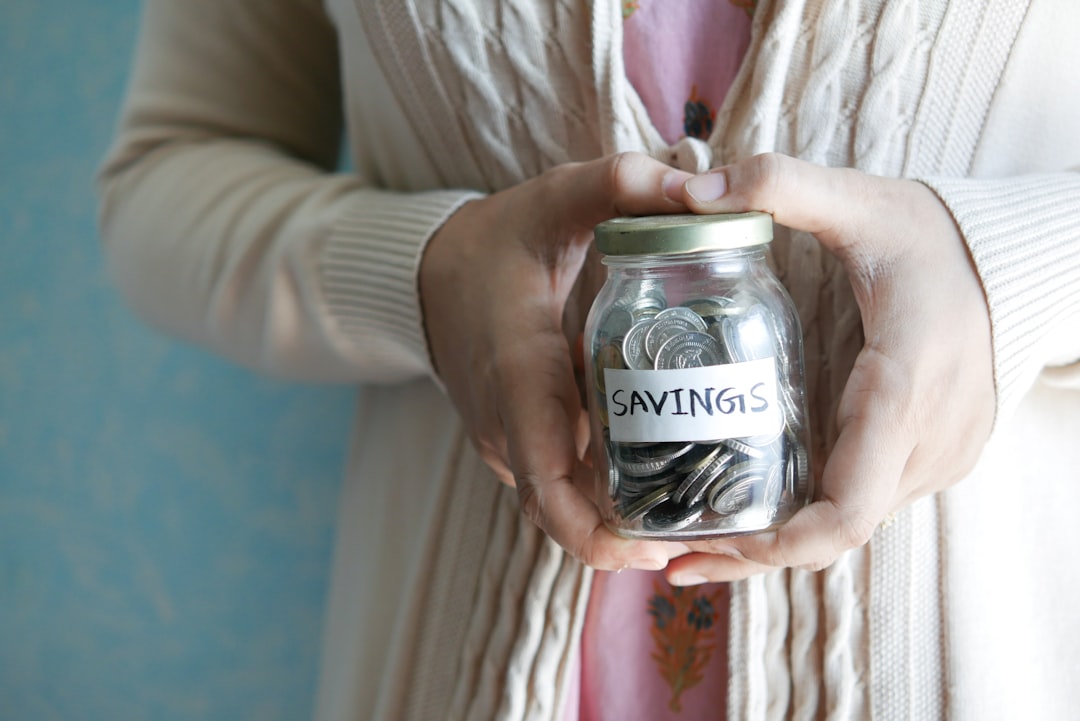
An emergency fund is the part of your personal finance plan that gives ordinary problems somewhere to go. A broken boiler, a delayed paycheck, a large dental bill, or a sudden move can push a household toward expensive credit when there is no cash set aside. Building one does not require a perfect income or a dramatic lifestyle overhaul. It requires a clear target, a separate place to keep the money, and a routine that fits the way you actually live.
I used to think savings goals had to be impressive to matter. That idea made small deposits feel pointless, so I postponed starting. The more useful approach is less glamorous. Put a modest amount aside, make it difficult to spend casually, and increase the contribution when your income or expenses change. An emergency fund is not a badge of financial virtue. It is a practical buffer between an unpleasant event and a long repayment schedule.
Why an emergency fund changes the financial math
Unexpected expenses are not rare events spread neatly across a lifetime. They arrive in clusters. The car needs repairs in the same month that an annual insurance bill arrives. A freelance client pays late just as a laptop fails. A family member needs help while rent is due. Planning around the average month leaves you exposed to the difficult month.
Without cash reserves, the usual alternatives are credit cards, overdrafts, personal loans, selling investments at an inconvenient time, or asking someone close to you for help. Each option has a cost. Interest can turn a small repair into a long obligation. Selling an investment may create taxes or lock in a loss. Borrowing from family can strain a relationship even when everyone has good intentions.
Cash savings do not make the event pleasant. They change what happens next. You can focus on comparing repair quotes, finding temporary work, or arranging a replacement appliance instead of making the fastest decision under pressure. The fund also protects other goals. Money intended for a home deposit, education, or retirement does not have to become the first source of rescue cash.
There is a psychological benefit too. A visible reserve can reduce the background worry that makes every ordinary purchase feel dangerous. That does not mean the balance needs to be large. A first layer of a few hundred dollars can cover common annoyances. The goal is to create options before you need them.
How much should you save?
The familiar advice is to save three to six months of expenses. That range can be useful, but it is not a universal rule. A household with two stable incomes, low debt, and strong family support may choose a smaller cash reserve. A single-income household, a contractor with uneven work, or someone caring for dependents may prefer a larger target.
Start with your essential monthly spending, not your full lifestyle budget. Include housing, utilities, basic food, transport, insurance, minimum debt payments, medication or care costs, and obligations you cannot pause easily. Leave out restaurant meals, entertainment, optional subscriptions, and irregular upgrades for the first calculation. If your essential monthly spending is $2,400, a three-month target would be $7,200.
That number is a destination, not a requirement for getting started. Use stages so the goal feels actionable.
- Starter buffer of $300 to $1,000 for small urgent bills.
- One-month reserve covering essential expenses if income is interrupted briefly.
- Three-month reserve for a more meaningful period of job or income uncertainty.
- Extended reserve of four to six months when income is variable or responsibilities are high.
Inflation and household changes will affect the target. Review it when rent rises, a child joins the household, you change jobs, or a recurring bill becomes more expensive. You do not need to recalculate every week. A review twice a year is enough for many people.
Emergency fund or sinking fund?
One of the most useful distinctions in budgeting is the difference between an emergency and an expected irregular expense. A car service, holiday gifts, annual property tax, and school supplies may be expensive, but they are usually foreseeable. They belong in sinking funds, which are smaller savings pots for known future costs.
An emergency fund is for events that are urgent, necessary, and difficult to schedule. Examples include an unexpected medical bill, a serious home repair, essential travel after a family crisis, or a period without income. The exact boundary depends on your circumstances, but the test is simple. If the expense could have been planned for with a calendar and a regular monthly amount, it probably deserves its own sinking fund.
This separation protects the reserve. If you use the same account for holiday spending and a broken refrigerator, the balance will disappear without giving you much security. Create categories in your budgeting app or separate savings accounts. You do not need a complicated system. Labels such as car, annual bills, home repairs, and emergency reserve can be enough.
Suppose your car insurance costs $720 once a year. Saving $60 each month turns the bill into a normal budget item. The emergency reserve remains available for an event you did not expect. This approach also makes progress easier to see because each dollar has a job.
Where to keep your emergency fund
The right account balances access, safety, and a reasonable interest rate. The money should be available without a complicated application process or a large penalty. For many households, that means an insured savings account at a regulated bank or credit union. A separate high-yield savings account may offer more interest than a basic current account while keeping the money accessible.
A checking account is convenient but risky if it is the account used for everyday spending. A large balance can look available even when it has a specific purpose. Keeping the reserve at another institution or in a separate account creates a small pause before spending it.
Cash at home can be useful for a limited amount needed during a short disruption, but it should not hold the entire reserve. Physical cash can be lost, stolen, or damaged. Investments are usually a poor fit for the core emergency layer because their value can move at the exact moment you need the money. Long-term accounts may also involve withdrawal rules, taxes, or penalties.
When comparing accounts, check the practical details.
- Is the institution covered by the relevant deposit insurance scheme?
- Can you transfer money quickly to your main spending account?
- Are there monthly fees, minimum balances, or withdrawal limits?
- Is the interest rate variable, and how often can it change?
- Will the account tempt you to use a debit card for routine purchases?
Interest matters, especially for a large reserve, but access and separation matter more. A slightly higher rate is not helpful if the account takes several days to release funds or charges a fee that discourages small withdrawals.
How to build an emergency fund on an uneven income
Variable income makes fixed monthly saving difficult, but it does not make saving impossible. Use a percentage rather than a fixed amount. You might direct 5% or 10% of every payment to the reserve, then adjust the percentage after reviewing taxes, business costs, and essential bills.
A second method is to create a base budget using your lowest realistic monthly income. When a better month arrives, divide the extra money deliberately. One portion can cover upcoming taxes or business expenses, one can support ordinary spending, and one can go toward the reserve. The exact split is less important than deciding before the money gets absorbed by lifestyle upgrades.
Irregular windfalls can speed up progress. A tax refund, bonus, gift, sale of unused items, or unusually strong work month can be divided between the emergency fund and other priorities. Do not rely on windfalls as the only strategy. A small automatic transfer from regular income builds the habit even when the amount is unremarkable.
Freelancers and business owners should distinguish personal emergencies from business cash flow. A client paying late may require a business buffer, while a personal rent payment belongs to the household reserve. Combining them makes both purposes less reliable. If possible, keep separate accounts and write down what each one may cover.
Automation, friction, and the habit of saving
Most people do not fail because they cannot understand saving. They fail because the saving decision is repeated too often. An automatic transfer on payday removes one decision from the month. Start with an amount that will not force you to reverse the transfer before the next paycheck. A smaller transfer that continues is more useful than an ambitious transfer that creates overdraft fees.
Timing matters. If income arrives every other Friday, schedule the transfer for the day after payday. If bills are unpredictable, use a lower automatic amount and make manual top-ups when the month ends with spare cash. Couples can agree on a shared target while keeping some individual spending freedom. The point is to make the system easy to maintain, not to create a household audit.
Friction works in both directions. Make saving easy by using direct deposit, a standing order, or a bank rule that rounds up purchases. Make spending from the reserve slightly harder by removing the account card from your wallet and turning off instant access in shopping apps. These are small changes, but small delays help distinguish a true urgent need from a passing want.
Track the balance once a week or once a month. Watching it every day can create unnecessary anxiety, while ignoring it for a year makes it easy to miss fees or account changes. A simple progress marker can help. For example, record the starter buffer, one-month target, and full target in a spreadsheet. Each deposit becomes visible progress rather than an invisible sacrifice.
What counts as a legitimate emergency?
A written definition prevents arguments with yourself at the worst moment. I use three questions. Is the expense urgent? Is it necessary for basic living, income, health, or safety? Was it difficult to predict or schedule? The more answers are yes, the stronger the case for using the reserve.
A job loss, essential home repair, urgent travel for a serious family matter, or major vehicle repair may qualify. A discounted television, a last-minute holiday, and a routine annual bill usually do not. There will be gray areas. A broken phone may be an emergency if it is required for work and cannot be repaired cheaply. It may be a normal replacement purchase if an older backup device still works.
Do not turn the fund into a moral test. If you use it for something that genuinely matters, the correct next step is to rebuild it. Shame often causes avoidance, and avoidance makes the account less useful. Record the withdrawal, note the reason, and set a new contribution target.
For couples or families, agree on a threshold. You might decide that any withdrawal above $500 requires a conversation, while smaller urgent purchases can be handled by the person facing the problem. This is not about control. It is about making sure the same reserve is not promised to two different emergencies.
Balancing emergency savings with debt
High-interest debt and cash savings compete for the same dollars. The right sequence depends on the type of debt, the size of your current buffer, and how stable your income is. Keeping no cash while making extra payments can backfire when a small emergency sends you back to the credit card.
A practical approach is to build a starter buffer first, then direct extra money toward expensive revolving debt while continuing a small automatic savings contribution. Once high-interest balances are under control, increase the reserve toward one month of essential expenses. This creates a compromise between reducing interest and maintaining flexibility.
Low-interest fixed debt may be less urgent than building a proper reserve, particularly when your income is uncertain. Compare the interest you could save with the risk of needing to borrow again. The spreadsheet answer is not the whole answer. A household with unstable work may value liquidity more than a household with secure employment.
Use a simple priority list.
- Keep enough cash to handle a modest urgent bill.
- Stay current on housing, utilities, insurance, and minimum debt payments.
- Pay down the most expensive debt with focused extra payments.
- Build the reserve toward one to three months of essential expenses.
- Return to long-term investing and larger goals according to your plan.
This order can change when circumstances change. A new job, a move, or a sharp income drop deserves a fresh look rather than loyalty to an old plan.
How to rebuild after a withdrawal
Rebuilding feels harder because the original excitement of starting is gone. Break the replacement amount into a weekly or monthly figure. If you withdrew $1,200 and want it restored over six months, the target is $200 per month. Put that amount beside your other bills until the account reaches its previous level.
Look for temporary adjustments instead of permanent punishment. Pause two optional subscriptions, redirect a small bonus, sell items you no longer use, or reduce one flexible category for a few months. Avoid promising an impossible repayment amount. A plan that causes repeated overdrafts creates a new problem.
Study the withdrawal without turning it into self-criticism. Was the reserve too small? Was the account hard to access? Did you use it for an expense that deserves a sinking fund? The answer may lead to a better structure. After a costly car repair, for example, you might keep the main emergency reserve intact and create a separate vehicle account.
When the balance returns, keep contributing for a little longer if the event exposed a higher risk than you had assumed. A household with one income may need a larger target after a period of unemployment. A renter may need less for property repairs than a homeowner but more for relocation costs. Your reserve should reflect your actual obligations.
Common mistakes that make the fund less useful
The first mistake is choosing a target based on someone else’s life. A six-month figure copied from a personal finance article may ignore your rent, dependents, insurance, or income pattern. Calculate from your essential expenses and risk factors.
The second is keeping the money too close to daily spending. If the reserve sits beside grocery money, it becomes easy to spend accidentally. Separate labels, accounts, and transfer rules can solve this without requiring more willpower.
The third is chasing yield at the expense of access. The emergency reserve is not the place to experiment with assets you do not understand or cannot sell quickly. The amount of interest earned should be considered, but not in isolation.
The fourth is treating every predictable bill as an emergency. Annual expenses should be planned through sinking funds. Otherwise, the reserve will repeatedly fall and the household will feel as if it is failing, when the real issue is missing categories in the budget.
The fifth is stopping contributions after reaching a round number. The target should be reviewed when costs rise or circumstances change. A fund that covered three months of expenses two years ago may cover less today.
The final mistake is believing that a reserve replaces insurance. Savings can cover deductibles and smaller losses, but suitable insurance may be appropriate for risks that would overwhelm the household. Review policy limits, exclusions, and deductibles during your regular financial check-in.
A simple 90-day emergency fund plan
Use the first week to measure reality. Review the last three months of bank and card transactions. Mark essential expenses, predictable irregular bills, flexible spending, and debt payments. Calculate the monthly essential figure. Do not edit the numbers to make the target look nicer.
During the second week, open or select a separate savings account. Give it a clear name. Set an automatic transfer for the smallest amount that feels sustainable. If you are paid irregularly, use a percentage or schedule transfers after your strongest payment days.
During weeks three and four, find one recurring source of money for the starter buffer. This might be a subscription you no longer use, a small delivery habit, or a regular transfer from a second income stream. The amount may be $15 or $150. What matters is that it is identified and repeated.
In the second month, add a sinking fund for the expense most likely to disrupt your budget. For one household it may be car repairs. For another it may be annual fees or a professional license. Divide the expected cost by the months until it is due. Keep this money separate from the emergency account.
In the third month, review the system. Did the transfer arrive on the right day? Did it cause cash-flow problems? Did you spend from the reserve because the account was too easy to access? Adjust the mechanism, not just the intention. Then choose the next target, such as one month of essential expenses.
A useful checklist looks like this.
- Calculate essential monthly spending.
- Choose a starter target and a longer-term target.
- Separate emergency savings from planned irregular costs.
- Use an accessible, insured savings account.
- Automate a sustainable contribution.
- Write down what qualifies as an emergency.
- Review the balance and target twice a year.
- Rebuild promptly after a legitimate withdrawal.
Making the reserve part of a wider money system
An emergency fund works best when it has neighbors. A monthly budget handles ordinary spending. Sinking funds handle known irregular costs. Insurance handles risks that could overwhelm your savings. Debt repayment reduces the cost of past decisions. Long-term investing supports goals that are years away. Keeping these roles separate makes each tool easier to judge.
For a broader framework, see our budgeting basics guide. The link between the two topics is simple. A budget tells you where money is going, while the reserve gives you room when the plan meets real life.
Do not wait for a perfect financial month. Most households do not get one. Start with a small protected balance, then improve the system as you learn more about your expenses and income. The value of the fund is not that it makes surprises disappear. It gives you time to respond without allowing one bad week to dictate the next year.
