Slow Travel in Europe: A Practical Guide to Planning Better Trips
Slow Travel in Europe is the way I keep trips from turning into a checklist. The first time I gave myself more than a few nights in one place, I noticed things I had never seen on faster routes, like the bakery line that formed before sunrise, the quiet stretch of a tram ride after lunch, and the way a neighborhood felt completely different once the day-trippers left. That slower pace did not make the trip smaller. It made the trip clearer.
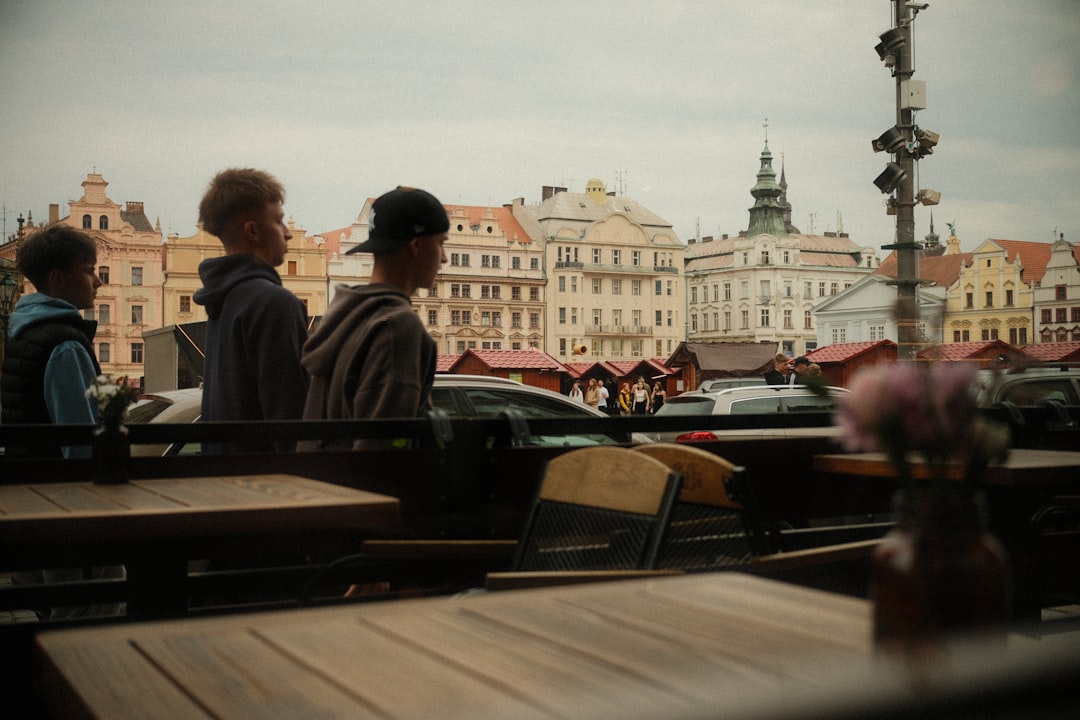
I still like variety. I still want good meals, good walks, and a few memorable places on every trip. What I do not want anymore is the exhaustion that comes from trying to see too many cities at once. I keep my trip notes on lj-life.com so I can reuse what worked instead of starting from zero every time. That habit has saved me from a lot of overplanning.
This article is for the traveler who wants more depth without giving up flexibility. You do not need a rigid itinerary to travel well. You need a better rhythm, a clearer region, and enough space for ordinary days to become part of the experience.
Why Slow Travel in Europe feels different from a fast trip
Europe is built for movement. Trains connect nearby cities. Budget flights tempt you with cheap hops. Ferries, buses, and metro systems make it easy to keep going just because going is possible. That convenience is useful, but it also creates a planning trap. When every destination looks reachable, I start stacking places onto the route without asking whether the trip actually improves.
The difference between a fast trip and a slow one is not just the number of nights. It is the relationship I have with the place. On a fast trip, I am constantly translating the city into logistics. Where is the station, what time is checkout, how do I get to the next hotel, did I book the right district, and can I still fit that museum in before the train. On a slower trip, I stop living inside the schedule and start noticing the place itself.
That shift changes the kinds of memories I bring home. I remember the café where the same man ordered espresso every morning. I remember the bus route that passed a market and a school before reaching the old center. I remember the hour before dinner, when the neighborhood looked more lived in than picturesque. Those details are not dramatic, but they stay with me longer than another rushed photo stop.
There is also a practical benefit. When I stay longer, mistakes matter less. If the weather is bad on Monday, I can move the museum visit to Wednesday. If I land tired, I can spend the first evening buying groceries and walking the block instead of forcing myself to perform travel enthusiasm. Slow travel gives the day some slack, and that slack is what makes the whole trip easier to enjoy.
Another reason this approach works is that Europe rewards repetition. A city becomes more readable after I have used the same tram line a few times. A region makes more sense once I have seen how far apart the towns really are. Even a simple walk back to my apartment can tell me more about the neighborhood than a long list of landmarks ever could.
Start with one region and let the route breathe
My best trips usually begin with a region, not a wishlist. Northern Italy, Andalusia, Portugal, the French southwest, the Low Countries, the Dalmatian coast, and parts of Central Europe all make sense as clusters. Once I choose one cluster, the map starts to help instead of distract. I can see how the trains connect, which towns deserve a longer stop, and where a side trip would actually add something.
This matters because a short distance on a map can hide a long transfer in real life. A route that looks elegant in planning mode can become tiring once I factor in checkout time, luggage, platform changes, and the moment when I am dragging a bag through an unfamiliar station at 8 p.m. I have learned to respect transfer energy. If a move looks easy on paper but expensive in attention, I usually pass.
Choosing one region also keeps the trip more coherent. Instead of collecting countries, I get to understand a style of life. Maybe that means small Spanish cities with late dinners and bright plazas. Maybe it means Dutch cities where cycling changes the tempo of the streets. Maybe it means a train-first trip through Austria and Slovenia, where mountains and station towns shape the whole route. The value comes from noticing patterns, not from checking boxes.
When I am tempted to add one more famous city, I ask a simple question. Will this stop help the trip make more sense, or will it just make the route look more impressive? That question usually cuts through the noise. If a place matters because it fills a gap in the story of the region, I keep it. If it only looks good on a list, I leave it out.
A good rule is to build one anchor loop and one optional extension. The anchor loop is the part of the route I know I want. The extension is the extra stop I can keep only if the schedule and my energy both cooperate. That small buffer makes planning feel less fragile. I no longer have to pretend I know exactly how I will feel ten days from now.
If the region is large enough that I need flights just to stitch it together, I usually ask whether I am still planning a slow trip or accidentally building a sprint. That distinction matters more than the number of border crossings.
Pick a base you can actually live in
A good base is not the prettiest place on the list. It is the place that works on an ordinary Tuesday. That means grocery stores nearby, decent transit access, walkable streets, and a room I do not dread returning to after a long day. I want a base that makes daily life easy, because daily life is what travel becomes after the first burst of excitement fades.
When I choose a base well, the whole trip feels lighter. I can unpack fully. I know where the coffee shop is. I know which direction the station lies. I know whether I can walk home after dinner or whether I need to think about the last bus. That familiarity frees up attention for the good parts of the trip. I spend less energy wondering how to function and more energy noticing what is around me.
There is a tendency to book the most famous neighborhood and assume it is the safest choice. Sometimes it is. But sometimes the better move is one stop away, or across the river, or in a smaller city that connects well to the larger one. I often prefer the place that gives me a little more space and a little less noise. I can still visit the headline attraction. I do not need to sleep inside the busiest version of the destination just to feel close to it.
I think about three things when I pick a base. First, how easy it is to arrive and leave. Second, how easy it is to move around on foot or by transit. Third, whether the neighborhood has some actual daily life in it. A place with a bakery, pharmacy, market, and local café usually feels more useful than a location that is beautiful but cut off from normal routines.
Sometimes I also split a region into one urban base and one quieter base. For example, I might spend a week in a city and then a few nights in a smaller coastal town or inland village. That mix gives the trip texture without creating constant hotel churn. The city gives me museums, transit, and food variety. The smaller place gives me slower mornings, a simpler rhythm, and more time outside.
If I cannot imagine being happy there on a rainy afternoon, it is probably not the right base. That test is surprisingly reliable. Travel days are easy to romanticize. Regular days tell the truth.
Build a daily rhythm instead of a giant checklist
Checklist travel makes me tired fast. Breakfast, museum, viewpoint, lunch, old town, hidden alley, sunset drink, late dinner. By the end of the day I have a page full of completed tasks and a head full of noise. A slower trip works better when I think in rhythm. I like to give the day a shape rather than a script.
My favorite rhythm is simple. One meaningful activity in the morning, some open time in the afternoon, and a lighter plan in the evening. That might be a market visit, a train ride to a nearby town, or a long walk with no goal other than being outside. Open time is not wasted time. It is where the trip becomes mine instead of the itinerary’s.
I also like to assign different moods to different days. One day for movement. One day for food. One day for a museum or gallery. One day for laundry, errands, and neighborhood wandering. That last category matters more than people expect. The trip starts to feel livable when I allow ordinary tasks to exist inside it. Buying fruit, finding detergent, and returning to the same café are not distractions from travel. They are part of the texture.
Another habit that helps is setting a cap on the number of must-do items per day. If I give myself three anchors, I can still respond to the day. If one plan runs long, the whole trip does not collapse. If I discover a neighborhood I like, I can stay there without feeling guilty. If I want to sit in a park and read instead of forcing another landmark, I can do that and still call the day successful.
Slow travel becomes much easier once I stop treating every hour like inventory. I do not need to use the full day to justify the trip. I need enough structure to know where I am going, and enough openness to notice what is happening between the scheduled parts.
A rhythm-based trip also makes energy management simpler. I can keep the first morning after arrival light. I can protect one afternoon for rest. I can move the long excursion to a day when I am not already tired from moving bags or crossing half the region. That kind of pacing keeps the trip sustainable for longer.
Use trains and local transport as part of the experience
Rail travel is one of the easiest ways to make a trip feel slower without becoming inefficient. The train gives me a moving room with a view. I can read, nap, write notes, watch the landscape change, or simply let the route connect two places without the extra drag of airport procedures. For many European trips, rail travel is not just transport. It is part of the point.
That said, I try to choose transport with intention. A direct train that leaves at a sane hour is often worth more than the cheapest possible connection. A regional pass can be useful if I am making several local trips, but it is not automatically better than point-to-point tickets. The best option depends on how often I will move, how fixed the schedule is, and whether I value flexibility more than savings.
I also pay attention to local transit once I arrive. In many places, the difference between feeling like a tourist and feeling slightly more at home is as simple as learning one bus line or one tram map. I like to know how to get to the station, which stop is closest to my apartment, and whether I can reasonably return after dinner without stress. That small bit of orientation reduces friction immediately.
When I move between towns, I try to avoid stacking too many transfers. One train change is fine. Three connections and a bus replacement start to eat the day. I also leave space for delays. A route that looks perfect on paper can become annoying if a missed connection forces me to sprint through an unfamiliar station. Slow travel still benefits from buffer time.
There is a psychological benefit to train-first planning too. It changes the emotional tone of the route. Instead of thinking in terms of arrivals and departures, I start thinking in terms of intervals. I do not need to conquer the map. I need to move through it in a way that feels coherent. That is a much better frame for a relaxed trip.
When the route is long enough, I sometimes choose one scenic segment on purpose. It might be a coastal line, a mountain stretch, or a route with enough local stops to give me a sense of the region. A single memorable transfer can do more for the trip than three hurried cities.
Plan side trips that add contrast, not clutter
Side trips are useful when they sharpen the main trip. They become a problem when they start multiplying on their own. I like a side trip that either adds contrast or answers a question. If the base is dense and urban, maybe I take one day to a quiet town or coastal stretch. If I have been in museums for several days, maybe I spend a day in a landscape that gives my brain some space.
I try to keep side trips close enough that the return still feels easy. A day trip that ends with me exhausted at midnight can quietly damage the next day. The point of slow travel is not to see one more place at any cost. It is to make the trip feel rich without turning every day into an endurance test.
Before I add an excursion, I ask what it changes. Does it help me understand the region better? Does it offer a different pace, different food, different architecture, or a different kind of landscape? Does it bring me back refreshed or simply more tired? If the answer is mostly novelty, I usually leave it off the list.
I also try to limit myself to one major side trip at a time. A trip with one anchor base and a carefully chosen excursion feels grounded. A trip with a different stop every day starts to lose shape. I want the side trip to deepen the main story, not distract from it. If I am constantly chasing new places, I am back in sprint mode.
Some of my best side trips have been ordinary. A small town market on a Thursday morning. A ferry ride with locals commuting home. A village where the only real plan was lunch and a walk. Those are the kinds of excursions that fit slow travel well. They add texture without asking for too much planning bandwidth.
If I need a complicated timetable to justify the side trip, it probably is not the right one. The best add-ons are usually the easiest to live with.
Pack for repetition, weather, and walking
Slow travel is much easier when my bag supports repetition instead of fantasy. I used to pack for imaginary versions of the trip. One outfit for a fancy dinner, one for hiking, one for weather I might never see, one for the evening I hoped would feel more cinematic than real. That approach made my bag heavier and my mornings slower. Now I pack for the version of the trip I will actually live.
That means comfortable shoes first. Layers second. A jacket that can handle wind or light rain. Clothes that work in a café, on a train, and at dinner without making me feel out of place. If I am staying in one base for a week or more, I do not need endless outfit variation. I need a small set of things I genuinely like wearing again and again.
I also think about laundry when I pack. If I know I can wash clothes easily, I can carry less. If laundry will be annoying, I need to be more strategic. The same goes for weather. A region with changing temperatures calls for layers I can add and remove throughout the day. A coastal area may need something more wind resistant than I first expect. A city with steep streets may punish the wrong shoes quickly.
The goal is not minimalism for its own sake. The goal is to remove suitcase friction. I want to stop thinking about my bag after the first day. I do not want to waste energy on clothing decisions every morning or drag around items I never use. The cleaner the packing list, the easier the trip feels.
There is also a psychological effect. A lighter bag makes it easier to move with the trip instead of resisting it. I can switch trains more calmly. I can walk farther without annoyance. I can stay in the same place longer without feeling boxed in. My body becomes less aware of the luggage, which is exactly what I want.
A practical packing checklist usually comes down to this. One or two pairs of shoes, a simple layer system, compact rain gear if needed, chargers, travel documents, and one small bag that works for daily use. Everything else should earn its place.
Spend where friction matters and save where it does not
Slow travel does not mean I ignore the budget. It means I spend more deliberately. I care less about the cheapest headline price and more about the places where money buys me time, comfort, or fewer decisions. A slightly better location can save me every time I leave the apartment. A direct train can save an entire day from becoming a logistics puzzle. A quiet room can change how I feel by the third night.
The biggest payoffs usually come from lodging, transport, and sleep. If I can walk to transit, groceries, and a decent café, I usually enjoy the trip more than if I booked the cheapest place on the edge of town and spent the week commuting into my own holiday. The same logic applies to transport. A longer or slightly more expensive direct route may be the better choice if it preserves energy for the actual destination.
I also try not to overspend on experiences just because I am away from home. Not every meal needs a reservation. Not every attraction needs a ticket. Not every city block needs to turn into a paid activity. Slow travel creates value through attention and repetition. Sometimes the best part of a day is a bench, a bakery, and an unplanned walk.
At the same time, I am not trying to be cheap in the wrong places. If a central apartment saves repeated transit costs and lets me move easily, that can be a better use of money than a lower rate in a distant district. If a train departure time means I get an extra usable afternoon, that can be worth paying for. Convenience is not a luxury category in slow travel. It is part of the design.
I think in terms of friction reduction. What would make the trip easier every single day? What would only matter once? That question helps me choose well. I would rather pay a bit more for an easier base than save a little and spend the whole week working around the wrong location.
Money spent well often shows up as calm. That is hard to measure on a spreadsheet, but easy to feel on the trip.
Keep the trip interesting after the novelty fades
The first few days of any trip are easy. Everything is fresh, and novelty does most of the work. The real test comes later, when the destination starts to feel familiar. That is where slow travel either deepens or starts to flatten out. I try to build in enough variety that the trip stays alive without needing constant movement.
One way I do that is by changing the lens instead of the location. I might spend one day paying attention to food markets, another to transit patterns, another to architecture, and another to how people use public space. That sounds simple because it is simple. A single city can hold a lot of different stories if I am willing to look from more than one angle.
I also let the trip evolve. If I arrive thinking I want museums and then discover I am more interested in neighborhood cafés, I adjust. If the weather becomes rough, I move the outdoor day. If I feel tired, I stop pretending I need to perform energy. A slower trip can bend with me. It does not need to stay loyal to the plan I wrote before I left.
Routine helps more than people expect. Once I know where I buy coffee, where I can walk after dinner, and what the local grocery store carries, the place stops feeling like a temporary stage set and starts feeling livable. That sense of familiarity is not boring. It is what makes deeper observation possible.
I also like to leave one open slot each week with no fixed purpose. That empty space often becomes the best part of the trip. It gives me room to follow a neighborhood, repeat a favorite walk, or simply rest without feeling like I am falling behind. If everything is accounted for, the trip cannot surprise me in a good way.
Travel memories are often formed in repeated moments. The second visit to the same square. The third morning at the same bakery. The walk home after rain. Those are the kinds of experiences slow travel makes possible.
A simple Slow Travel in Europe planning checklist
When I want to plan from scratch, I keep the process almost embarrassingly simple. I choose one region. I choose one or two bases. I decide what pace I actually want. Then I sketch the anchor days before I fill in the extras. That order matters. It keeps the trip from getting overdesigned before it has a shape.
The checklist below is the one I return to most often.
- Choose a region that belongs together on a rail map
- Pick a base that works on a tired Tuesday, not just in photos
- Set a loose rhythm for mornings, afternoons, and evenings
- Limit yourself to a few must-do items per day
- Use trains or local transit as part of the experience, not only as transfer time
- Add side trips only when they add contrast or clarity
- Pack for repetition, weather, and walking
- Spend money where it lowers friction
- Keep one open block of time each week
- Check whether the route still feels like a slow trip, or if it has turned into a sprint
If a route feels crowded, I remove something before I add anything else. That is usually the fastest way to improve the trip. Most overpacked itineraries do not need more optimization. They need subtraction.
When I finish planning, I like to ask one final question. Could I imagine living this trip for a week without getting irritated by it? If the answer is yes, I am probably on the right track. If the answer is no, something in the route, the base, or the pace still needs work.
That is the real advantage of slower travel. It gives me time to notice what the trip feels like, not just what it contains. And once I start planning that way, I come home with fewer blurbs and better memories.
