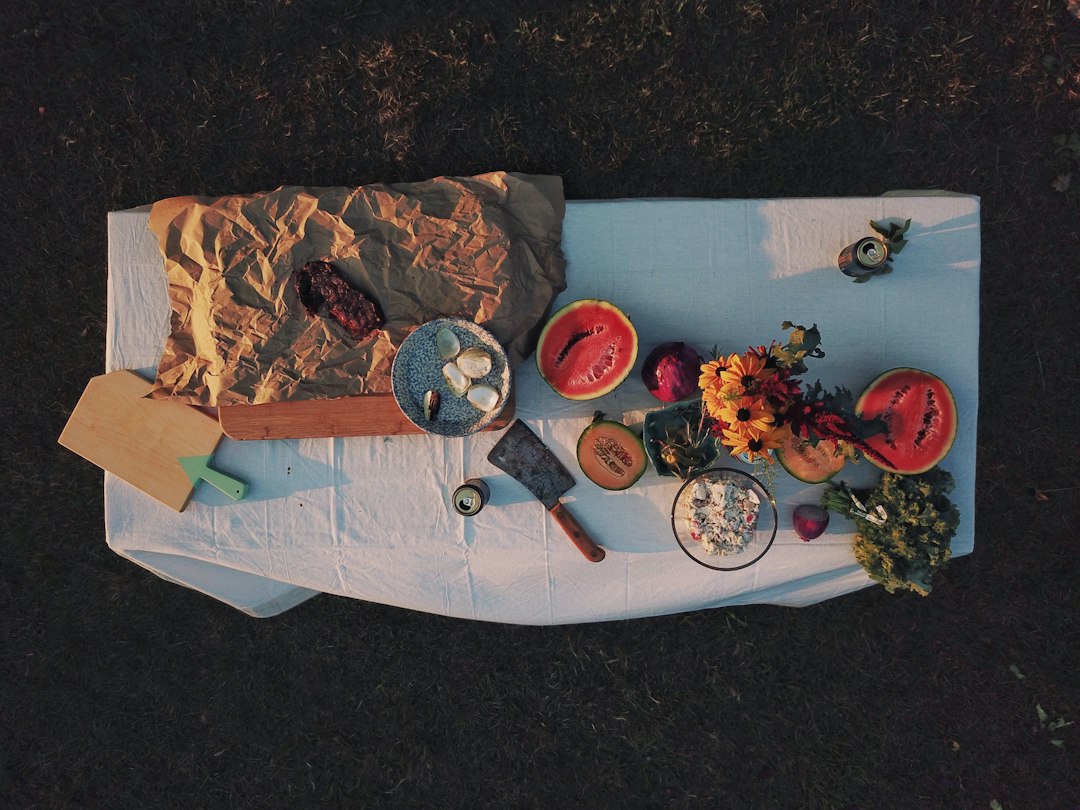
If you’ve been meaning to eat better without counting every bite, a Mediterranean diet meal plan is a friendly place to start. It’s flexible, flavorful, and built around everyday foods like vegetables, beans, whole grains, fruit, nuts, olive oil, fish, and modest amounts of dairy and poultry. This guide turns that idea into a month you can actually live with—complete with pantry lists, shopping shortcuts, weekly menus, and plenty of mix-and-match recipes.
Mediterranean diet meal plan: what it means in daily life
“Mediterranean” refers to a pattern seen in cuisines around the Mediterranean Sea, not a single rigid rulebook. Think of it as a template rather than a strict diet. The daily rhythm centers on plants and healthy fats, with seafood and legumes playing starring roles and meat showing up as a supporting actor. It’s flexible enough to fit a busy schedule, a tight grocery budget, and different taste preferences in the same household.
At a high level, plates skew toward vegetables, beans, lentils, chickpeas, whole grains like bulgur, farro, and brown rice, fruit in place of sugary desserts most days, generous use of olive oil, and herbs, garlic, and citrus for brightness. Fish shows up a couple of times per week, poultry here and there, and red meat less often. Cheese and yogurt appear in reasonable portions, and many people enjoy coffee or tea, and water is the default beverage. If you drink alcohol, some people include a small glass of wine with a meal. If you don’t, skip it; this plan works just as well without it.
Beyond ingredients, the spirit matters. Meals lean on simple cooking methods—roasting sheet pans of vegetables, simmering a pot of beans, grilling a piece of fish, dressing a salad with good olive oil and lemon. There’s no need for specialty shakes or complicated tracking. You’ll spend your energy on planning, prepping a few building blocks, and sitting down for satisfying meals. If you prefer a short primer before you dive in, browse other practical ideas on our Healthy Eating hub here: Healthy Eating.
Stock the Mediterranean pantry: staples to keep on hand
A well-stocked pantry reduces stress and makes wholesome choices the easy default. Use this checklist to keep your kitchen ready for quick, satisfying meals:
- Fats and acids: extra-virgin olive oil, olives, tahini, red wine vinegar, balsamic, apple cider vinegar, lemons and limes
- Grains and starches: whole-wheat pasta, farro, bulgur, brown rice, quinoa, whole-grain bread, corn tortillas, potatoes, sweet potatoes
- Legumes: canned or dried chickpeas, cannellini beans, black beans, lentils
- Seafood (shelf-stable): canned tuna (in olive oil if possible), salmon, sardines, anchovies
- Vegetables: onions, garlic, carrots, celery, tomatoes (canned crushed and diced), jarred roasted peppers, artichoke hearts
- Fruit and nuts: oranges, apples, dates, raisins, almonds, walnuts, pistachios
- Herbs and spices: oregano, basil, thyme, rosemary, cumin, coriander, smoked paprika, chili flakes, black pepper, sumac
- Dairy and eggs: plain Greek yogurt, feta or goat cheese, eggs, milk or an unsweetened plant alternative
- Freezer boosters: frozen spinach, peas, broccoli, mixed vegetables, frozen berries
Organization helps these foods work together. Group similar items, label jars if you decant bulk goods, and keep an “eat first” bin in the fridge so ripe produce becomes tonight’s dinner. Store whole grains and nuts in airtight containers away from heat and light. For dried beans and lentils, note cooking times on the jars to save yourself a search later.
Finally, stock two or three quick flavor-makers: a jar of pesto, a good harissa or chili paste, and a high-quality Dijon mustard. Small spoonfuls transform simple ingredients into meals that feel restaurant-worthy.
Smart shopping strategies and stress-free label reading
Shopping becomes simpler when you shop the pattern, not a perfect list. Build your cart in this order: produce first, then pantry staples, then protein, and finish with flavor extras. That order nudges you to fill most of the cart with plants before adding anything else. Buy what’s seasonal and on sale, then plan meals around what you brought home. Let price guide your variety—frozen broccoli is often as handy as fresh and lasts longer.
Label reading doesn’t need to be a rabbit hole. For tomato sauce, aim for short ingredient lists without added sugars. For canned beans, a quick rinse under water reduces excess salt and starch. For yogurt, look for plain (you’ll sweeten it naturally with fruit, cinnamon, or a swirl of honey if you like). For bread, choose options that list whole grains as the first ingredient. And for canned fish, consider tuna or salmon packed in olive oil for convenient, satisfying meals.
Stretch your budget with these swaps: choose chickpeas and lentils as weekly proteins, use whole-wheat pasta with a generous vegetable ratio, add potatoes or sweet potatoes to bulk up stews, and lean on canned tomatoes for soups and sauces. Use store brands for staples like grains, nuts, and olive oil when they meet your taste and quality expectations.
A reusable 30-day calendar you can adapt
This 30-day plan uses repeating weekly structures so you build momentum. You’re not cooking a brand-new menu every night; you’re practicing a rhythm. Here’s a simple cycle you can reuse:
- Monday: vegetarian pasta or grain bowl (think whole-wheat spaghetti with garlicky greens and chickpeas)
- Tuesday: fish night (roasted salmon, sardines on toast with salad, or tuna and white bean salad)
- Wednesday: soup or stew (lentil soup, minestrone, or chickpea and tomato stew)
- Thursday: chicken or turkey with lots of vegetables (sheet-pan chicken thighs with peppers and onions)
- Friday: pizza or flatbreads with a big salad (whole-wheat crust or flatbreads topped with vegetables and a little cheese)
- Saturday: grill or skillet night (shrimp and vegetable skewers, or a veggie-packed shakshuka)
- Sunday: bean-based dish or big salad platter (gigante beans, Greek salad with chickpeas, or a composed mezze plate)
Breakfast rotates through yogurt bowls, egg-and-vegetable scrambles, and oats with nuts and fruit. Lunch favors leftovers, grain salads, soup-and-salad combos, or a simple antipasto box (olives, hummus, vegetables, a boiled egg, some whole-grain crackers). Snacks center on fruit, nuts, plain popcorn, and vegetables with dips.
To adapt this cycle for 30 days, choose one recipe idea per category each week, and repeat favorites. If life gets hectic, double a recipe and eat it twice. If you enjoy cooking, try a new herb blend or a different grain. The plan works because it’s predictable without being boring.
Breakfasts that keep you full and happy
Breakfast doesn’t have to be elaborate. A few reliable options will carry you through busy mornings while matching the pattern of plants, whole grains, and healthy fats. Aim for a balance of fiber and protein so you stay satisfied until lunch.
- Greek yogurt bowl with berries, chopped walnuts or pistachios, a drizzle of honey, and cinnamon
- Overnight oats with chia, grated apple, raisins, and a spoon of tahini or almond butter
- Vegetable frittata or egg muffins with spinach, tomatoes, onions, and feta; serve with whole-grain toast
- Avocado toast topped with chickpeas, cherry tomatoes, and a squeeze of lemon
- Warm farro or oatmeal topped with pears, dates, and toasted almonds
- Savory breakfast bowl: leftover roasted vegetables, a fried or poached egg, herbs, and a spoon of pesto
Batch-cook breakfast components once or twice a week. Roast a tray of vegetables, boil a half-dozen eggs, cook a pot of farro, and portion yogurt and fruit. Label containers with the date so you rotate and use them while they’re at their best.
Lunch bowls, salads, and make-ahead boxes
Lunch succeeds when it’s simple to assemble from prepped parts. Think in layers: a grain or leafy base; protein from legumes, eggs, seafood, or poultry; colorful vegetables; and a flavorful dressing or sauce. Keep a rotation of spreads and dips to add variety without extra effort.
- Chickpea Greek salad: cucumbers, tomatoes, red onion, olives, chickpeas, feta, oregano, olive oil, and lemon
- Tuna and white bean salad: canned tuna in olive oil, cannellini beans, parsley, capers, red wine vinegar, and arugula
- Warm farro bowl with roasted broccoli, peppers, and tahini-lemon dressing
- Lentil tabbouleh with bulgur, mint, parsley, tomatoes, and olive oil
- Leftover sheet-pan chicken sliced over greens with olives, artichokes, and a simple vinaigrette
- Hummus box: hummus, carrots, cucumber, cherry tomatoes, olives, whole-grain crackers, and a wedge of cheese
To keep salads lively all week, store components separately until morning, then toss right before eating. Dressings last three to five days in the fridge; rotate between lemon-olive oil, balsamic-dijon, and yogurt-herb to keep things fresh without any extra cooking.
Dinners with minimal fuss (and maximum flavor)
Dinner is where a little planning pays off in a big way. Keep structure in mind: vegetable + protein + whole-grain or starch + bright accents. Use one-pan and one-pot techniques to save dishes. Here are dependable options to mix and match:
- Roasted salmon with cherry tomatoes and olives; serve with quinoa and a side salad
- Turkey meatballs simmered in tomato sauce; serve over polenta or whole-wheat spaghetti with a heap of sautéed greens
- Chickpea and vegetable tagine with spices like cumin, coriander, and cinnamon; serve with couscous
- Sheet-pan chicken thighs with peppers, onions, and potatoes tossed in olive oil, garlic, and oregano
- Shrimp and vegetable skewers with lemon and parsley; pair with farro and grilled zucchini
- Vegetable shakshuka with eggs simmered in tomato-pepper sauce; mop up with crusty whole-grain bread
Flavor moves that work: a squeeze of lemon over cooked fish or greens, a spoon of pesto stirred into soup just before serving, toasted nuts scattered over roasted vegetables, or a bit of crumbled feta for richness. Keep chopped parsley or basil on hand; fresh herbs make simple dishes feel special.
Snacks, drinks, and sweet finishes
Snack when you’re truly hungry between meals and pick options that feel like a mini meal, not a detour. Good choices include fruit with nuts, vegetables with hummus, plain yogurt with berries, or a small piece of whole-grain toast with avocado. If you like something sweet after dinner, think fruit first and save baked treats for special moments.
- Fresh fruit (oranges, apples, grapes, berries) with a handful of almonds or walnuts
- Vegetable plate with hummus or tzatziki
- Greek yogurt with honey, cinnamon, and chopped pistachios
- Olives and whole-grain crackers
- Dark chocolate square with a few dates or dried apricots
As for drinks, water takes center stage throughout the day. Unsweetened tea or coffee fit well for many people. Sparkling water with lemon or a splash of juice can feel festive without leaning on sugary beverages.
Batch cooking and meal prep that save time
Meal prep should feel like support, not a second job. Focus on high-impact tasks that turn weeknights into quick assemblies. Two hours on a weekend can transform five busy evenings.
- Cook a pot of grains (farro, brown rice, or quinoa) and portion into containers
- Roast two trays of mixed vegetables (broccoli, peppers, onions, carrots, zucchini) with olive oil, salt, and pepper
- Make a big batch of lentils or chickpeas (or stock up on canned) and store in the fridge
- Prepare two dressings or sauces (lemon-olive oil vinaigrette, tahini dressing, or yogurt-herb sauce)
- Pre-cook a protein (baked chicken thighs or a tray of turkey meatballs) for quick dinners
- Chop aromatics (onions, garlic, celery) and store in sealed containers for quick starts to soups and sautés
Food safety matters: cool cooked foods before refrigerating, use shallow containers to chill quickly, and label each container with the date. Most cooked grains and roasted vegetables keep three to four days in the fridge; cooked legumes can last three to five days. Freeze portions you won’t use in time. Thaw overnight in the fridge or reheat gently with a splash of water to restore texture.
Budget and time savers (without sacrificing taste)
Eating this way can be friendly to your budget. Beans, lentils, eggs, and canned seafood deliver protein without a premium price tag. Frozen vegetables reduce waste and speed up prep. Seasonal produce costs less and tastes better. And simple techniques—like roasting trays of vegetables and cooking double batches of grains—save time and money.
- Plan around sales: buy salmon when it’s discounted and choose tuna or sardines on other weeks
- Use legumes as the center of two or three dinners per week
- Buy whole grains in bulk and store in airtight containers
- Turn leftovers into new meals (roasted vegetables become frittatas or grain bowls)
- Flavor with spices and citrus instead of relying on pricey bottled sauces
- Cook once, eat twice: double soup, stew, or meatballs and freeze portions
To keep your kitchen budget on track, set a weekly produce budget first, then fill in pantry items and proteins. If you overspend one week, make the next week a bean-forward, freezer-friendly cycle. Consistency beats perfection.
Dining out, travel, and social life
This way of eating is flexible enough for restaurants, flights, and backyard gatherings. At restaurants, look for grilled or roasted seafood or chicken with vegetables, salads dressed with olive oil and lemon, vegetable-based appetizers, and bean dishes. Share a pizza and load it with vegetables, or choose a hearty salad with a side of whole-grain bread.
On the road, pack an easy travel kit: nuts, whole-grain crackers, fruit, a small jar of peanut or almond butter, and shelf-stable tuna or salmon. For flights, a simple sandwich, cut vegetables, and an orange go a long way. At social events, bring a dish you love that fits the pattern—like a big Greek salad or a platter of hummus, olives, roasted peppers, and whole-grain pita—so you’ll have something filling to enjoy.
Vegetarian, vegan, gluten-free, and dairy-free swaps
The Mediterranean pattern is naturally accommodating. Vegetarians and vegans can lean on legumes, tofu, tempeh, whole grains, nuts, and seeds for protein. Gluten-free eaters can use brown rice, quinoa, corn tortillas, and gluten-free pasta. Those who avoid dairy can use olive oil, tahini, avocado, or nut-based sauces for richness and swap in plant yogurts or cheeses they enjoy.
- Vegetarian protein ideas: chickpea tagine, lentil bolognese, white bean and vegetable soup, tofu skewers with lemon and herbs
- Vegan sauces: tahini-lemon, roasted red pepper sauce, olive tapenade, herb chimichurri
- Gluten-free grains: quinoa tabbouleh, brown rice pilaf with almonds and apricots, polenta with ratatouille
- Dairy-free richness: olive oil, avocado, nut-based pesto, silken tofu blended into dressings
If you’re cooking for multiple preferences, make a flexible base and provide options. For example, prepare a large tray of roasted vegetables and grains, then offer chickpeas, grilled chicken, or sautéed shrimp on the side so everyone builds a bowl they love.
Family-friendly strategies (including picky eaters)
Families thrive on routine and choice. Serve meals “family style” with a couple of familiar items and one or two new tastes. Keep staples like whole-grain pasta, olives, cucumbers, tomatoes, and mild cheeses on hand. Invite kids to help choose vegetables at the store, wash produce, or stir a dressing. Hands-on tasks often increase curiosity at the table.
- Build-your-own bowls: set out grains, beans, chopped vegetables, olive oil, lemon, and a protein choice
- Half-and-half pasta: mix zucchini ribbons or chopped spinach into cooked whole-wheat pasta with tomato sauce
- Snack plates for dinner: hummus, whole-grain pita, cheese, crunchy vegetables, apple slices
- Pizza night: top a whole-wheat crust or flatbread with tomato sauce, peppers, mushrooms, olives, and a light sprinkle of cheese
Expect tastes to evolve. Keep offering vegetables in different forms—raw, roasted, in soups, and in pastas—and celebrate small wins. Flavor matters as much as nutrition, so use herbs, garlic, olive oil, and citrus with a generous hand.
Food prep safety, storage, and leftovers etiquette
Healthy plans stay on track when your fridge and freezer work for you. Keep a “use soon” shelf so delicate items move to the front. Label and date any cooked grains, beans, or proteins. Keep raw meats separate from ready-to-eat foods. Reheat soups and stews until steamy and stir in a splash of water or broth if they’ve thickened in the fridge.
- Refrigerator guide: cooked grains and roasted vegetables (3–4 days), cooked legumes (3–5 days), cooked chicken or fish (2–3 days)
- Freezer guide: soups and stews (2–3 months), cooked beans and grains (1–2 months), pesto and sauces (1–2 months)
- Portion smart: store leftovers in meal-sized containers for grab-and-go lunches
- Plan a weekly “clear the fridge” night: turn bits and pieces into frittatas, soups, or grain bowls
These simple habits cut waste, save money, and make it far easier to stick to your plan when the week gets busy.
Weekly menus, recipes, and a simple 30-day outline
Use this sample outline to map four weeks. Swap in your favorites based on what’s in your pantry and produce drawer.
Week 1 outline
- Mon: Whole-wheat spaghetti with garlicky spinach and chickpeas; side salad
- Tue: Roasted salmon with tomatoes and olives; quinoa and arugula
- Wed: Lentil soup; whole-grain bread; carrot-cucumber salad
- Thu: Sheet-pan chicken with peppers, onions, and potatoes
- Fri: Vegetable flatbread pizza; big green salad
- Sat: Shakshuka; orange slices; olives
- Sun: Greek salad with chickpeas; herbed brown rice
Week 2 outline
- Mon: Farro bowl with roasted broccoli, peppers, tahini-lemon dressing
- Tue: Tuna and white bean salad; whole-grain crackers
- Wed: Chickpea and vegetable tagine; couscous
- Thu: Turkey meatballs in tomato sauce; sautéed greens
- Fri: Thin-crust pizza with mushrooms, onions, and olives
- Sat: Grilled shrimp skewers; grilled zucchini; lemony potatoes
- Sun: Minestrone soup; tomato-cucumber salad
Week 3 outline
- Mon: Quinoa bowl with roasted sweet potatoes, chickpeas, and chimichurri
- Tue: Sardines on toast with capers and lemon; salad
- Wed: Tomato-basil white bean stew; polenta
- Thu: Chicken and vegetable kebabs; brown rice; yogurt-herb sauce
- Fri: Pita pizzas with peppers and spinach; Greek salad
- Sat: Veggie frittata with side salad; fruit
- Sun: Roasted vegetable platter; hummus; whole-grain pita
Week 4 outline
- Mon: Bulgur pilaf with chickpeas, almonds, and raisins; roasted carrots
- Tue: Baked salmon with lemon; farro; steamed green beans
- Wed: Red lentil soup; cumin and coriander; tomato-cucumber salad
- Thu: Roasted chicken legs; peppers and onions; crispy potatoes
- Fri: Vegetable calzone or folded flatbread; big salad
- Sat: Skillet gnocchi with spinach and cherry tomatoes; parmesan sprinkle
- Sun: Mezze night: olives, roasted peppers, artichokes, hummus, yogurt dip, chopped salad
Breakfast and lunch run on the same rotation mentioned earlier. If a week is extra busy, repeat Week 1 or Week 2 exactly and move on. If you have a free weekend, try a new soup or grain and add it to your rotation.
Common bumps in the road (and how to adjust)
Every plan meets real life. If you hit a snag, use these gentle adjustments rather than throwing the plan out:
- Short on time: serve canned tuna or sardines over a salad, warm up a pot of soup from the freezer, or make eggs with leftover vegetables
- Budget crunch: pivot to bean-forward meals for several dinners, rely on frozen vegetables, and choose the most affordable whole grains
- Picky eaters: deconstruct meals into components so everyone can assemble their own bowl or plate
- Travel week: pack shelf-stable proteins and nuts, choose grilled options and big salads when eating out, and keep breakfasts simple and consistent
- Low motivation: go back to your “why”—better energy, enjoyable meals, fewer decisions—and focus on one small habit such as prepping a dressing or washing greens
Remember, perfection is not required. The plan works through repetition and comfortable routines. You’ll get faster, your pantry will get smarter, and dinner will feel easier.
Bringing it together
This 30-day approach is more rhythm than rulebook. You’ll cook with ingredients you recognize, trust your senses, and keep a few building blocks ready for busy nights. Over time, you’ll find your favorite combinations and a reliable set of shopping and prep habits. Keep the pantry stocked, choose a simple weekly structure, and pause to enjoy what you make. That’s the essence of this Mediterranean-inspired way to eat well, day after day.
