Mediterranean diet meal planning is a simple way to bring flavorful, balanced food into everyday life without constant guesswork. By setting up a pantry, sketching a weekly template, and leaning on a few repeatable prep habits, you can eat well with less effort and more enjoyment.
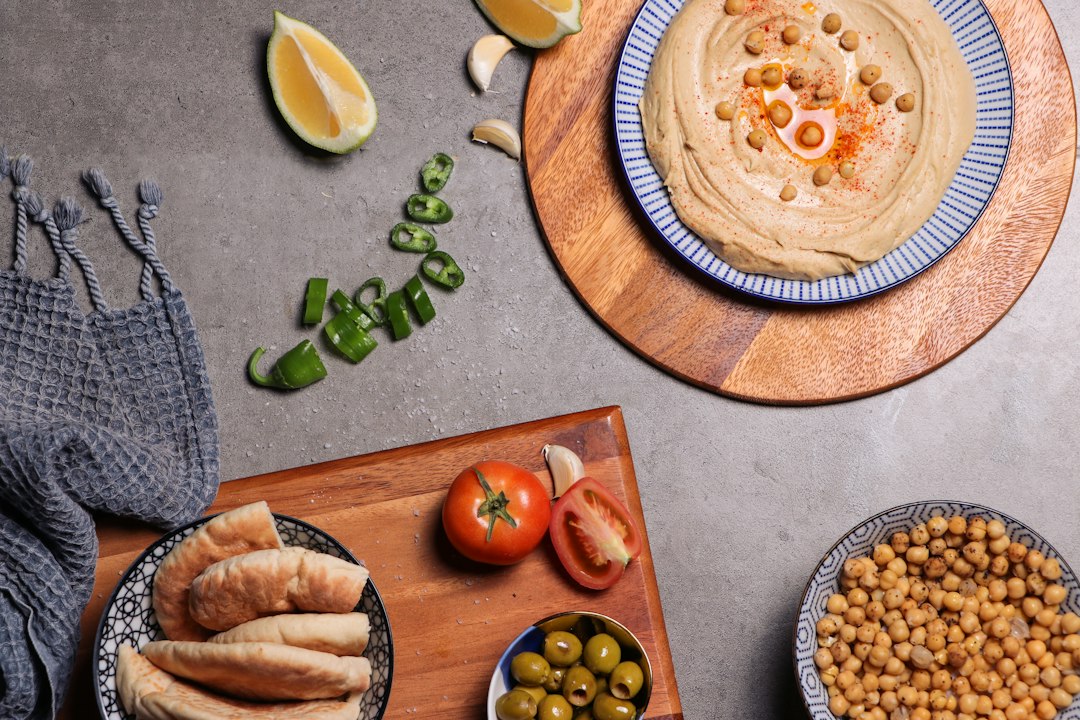
Mediterranean diet meal planning: what it really means
The Mediterranean pattern centers on vegetables, fruits, legumes, whole grains, nuts, seeds, olive oil, and herbs, with fish, yogurt, eggs, and cheese used in modest amounts and meat or sweets enjoyed occasionally. It favors minimally processed foods and relaxed mealtimes. In practice, this is less about rules and more about rhythms: a predictable pantry, simple methods, and meals that are satisfying without being elaborate.
Think in broad proportions rather than strict counts. Most plates feature a generous section of vegetables, a wholesome carbohydrate like beans or grains, and a moderate portion of protein, finished with olive oil, herbs, and citrus. Variety across the week is the goal; you won’t aim for perfection at each meal. A steady rotation of colors, textures, and seasonal produce keeps things interesting and enjoyable.
Planning makes that variety easier. A few base choices—like cooking one pot of grains, roasting a tray of vegetables, and making a jar of vinaigrette—turn into multiple lunches and dinners. When staples are ready and themes are decided in advance, you can mix and match without starting from zero each night.
The plate blueprint for fast decisions
Quick decisions thrive on memorable cues. Use this simple plate idea when assembling meals at home or choosing from a menu:
- Half the plate vegetables (raw, roasted, sautéed, or stewed). This can be a salad, a mix of cooked veg, or both.
- A quarter whole grains or starchy legumes (brown rice, barley, farro, bulgur, quinoa, chickpeas, lentils, potatoes).
- A quarter protein from beans, fish, tofu, eggs, or small portions of poultry. Cheese or yogurt can be part of the meal, not the centerpiece.
- Flavor finishers: extra-virgin olive oil, herbs, spices, lemon, capers, olives, or vinegar.
Examples help the plate blueprint come alive. A weeknight bowl could be bulgur topped with roasted zucchini and tomatoes, a scoop of chickpeas, and a drizzle of yogurt-tahini sauce. Another day, think warm lentil salad tossed with arugula, leftover roasted peppers, a soft-boiled egg, and olive oil with a squeeze of lemon. For soup night, a big pot of minestrone checks every box: vegetables in abundance, beans, pasta or barley, and a spoon of olive oil added at the table.
These proportions are flexible. Some days, a hearty vegetable stew with bread satisfies. Other days, a large chopped salad with beans or tinned fish does the job. If the plate has color, texture, and a good olive oil finish, you’re on the right track. Over time, the blueprint becomes second nature, a shortcut you can use without thinking.
Build a Mediterranean pantry that works
A dependable pantry reduces decision fatigue and underpins consistent cooking. Start small and expand as you discover what you actually use. Stocking everything at once isn’t necessary; build over a few weeks and refresh as items run low.
Essential dry goods
- Whole grains: brown rice, bulgur, barley, farro, oats, whole-grain pasta, and couscous or fregola. Pre-cooked grain packets can be a backup.
- Legumes: chickpeas, lentils (green, brown, red), cannellini, black beans. Keep both dried and canned for flexibility.
- Nuts and seeds: almonds, walnuts, pistachios, sesame, sunflower, pumpkin seeds. They add crunch to salads and bowls.
- Aromatics and spices: garlic, onions, shallots; dried oregano, thyme, cumin, coriander, smoked paprika; whole black pepper.
- Olive oil: extra-virgin for finishing and salads; a budget-friendly bottle for cooking. Store away from heat and light.
- Acids: lemons, red wine vinegar, sherry vinegar, and balsamic. A jar of capers or olives adds depth fast.
- Canned and jarred goods: tomatoes, tomato paste, roasted peppers, artichokes, tinned tuna or sardines, anchovies.
Fridge and freezer anchors
- Proteins: eggs; plain yogurt; feta or pecorino; tofu or tempeh; small portions of fish or poultry if you enjoy them.
- Vegetables: a mix of leafy greens (romaine, arugula), sturdy veg (carrots, cucumbers, peppers), and cook-friendly options (broccoli, zucchini, eggplant).
- Fruits: seasonal picks plus all-purpose apples, oranges, and berries (fresh or frozen).
- Freezer helpers: peas, spinach, mixed veg, pre-cooked grains, and spare portions of soups or stews.
Storage and rotation
- Place newer items behind older ones so you naturally use what you bought first.
- Label jars with purchase dates or “cooked on” dates to keep track.
- Keep a small notepad or phone list of pantry levels: grains low? beans out? It saves a midweek store run.
- Choose containers that fit your shelves; square or rectangular shapes stack neatly and save space.
Budget-conscious swaps
- Buy beans and grains from bulk sections when possible.
- Choose seasonal produce and frozen veggies; they often taste great and cost less.
- Save herb stems for stocks and use citrus zest to stretch flavor.
A weekly template you can reuse
Templates remove daily guesswork. Consider your week: when are you busiest? When do you enjoy cooking? Build a repeatable frame around those patterns. This isn’t a rigid schedule; it’s a map that reduces decisions and keeps momentum.
Sample weekly template
- Breakfasts: oatmeal with fruit and nuts; yogurt with berries and granola; toast with olive oil, tomatoes, and eggs; leftover veg with bread and cheese.
- Lunches: big salads, grain bowls, or soup plus bread. Prep extra at dinner to pack leftovers.
- Dinners: two plant-forward nights, two fish or tofu nights, one poultry night, and two flexible nights for pasta, leftovers, or a mezze-style spread.
Portion cues
- Grains: cooking 1 to 1.5 cups dry grain yields about 3 to 4 cups cooked—enough for a family of four or for several bowls across the week.
- Legumes: 1 cup dried beans (or 2 cans) can support two or three meals when mixed with vegetables and grains.
- Vegetables: aim for a mix of raw and cooked; prepping 6 to 8 cups chopped veg on Sunday provides flexible building blocks.
- Olive oil: use it to roast, sauté, and dress; the flavor and satiety help meals feel complete.
Theme nights
- Monday stew night: lentil or chickpea soup with bread.
- Tuesday bowl night: roasted veg, a grain, and a yogurt-tahini drizzle.
- Wednesday fish or tofu: lemon-herb baking with potatoes and a salad.
- Thursday pasta night: pasta e ceci, or pasta with tomatoes and greens.
- Friday sheet-pan vegetables with feta and olives, plus bread.
- Weekend: market-inspired meal; a big pot of minestrone, ratatouille, or grain salad.
Think of the template as scaffolding. If you have guests, swap nights. If you’re away one evening, lean on leftovers or a simple mezze plate (bread, olives, hummus, chopped salad). The template supports spontaneity rather than suppressing it.
Shopping strategies and label reading
Shopping goes faster with a focused list and a sense of what matters on labels. Scan your template, check the pantry, and write a short list by section so you can move through the store efficiently.
Practical list structure
- Produce: 2 leafy greens, 3 colorful vegetables, 1 herb bundle, 2 to 3 fruits.
- Proteins: beans or lentils (dry or canned), yogurt, eggs, fish or tofu.
- Grains and bread: one bulk grain, whole-grain pasta, good bread or pitas.
- Pantry: canned tomatoes, olive oil, vinegar, spices as needed.
- Extras: olives, capers, tahini, nuts.
Where to buy and when
- Farmers’ markets or CSA boxes for seasonal variety and price transparency.
- Bulk sections for grains and beans to keep costs down and reduce packaging.
- Fish from a reliable counter or frozen fillets; frozen can be a better choice than “fresh” that traveled far.
- Ethnic grocers for spices, olives, and specialty staples like harissa or preserved lemons.
Label tips you’ll actually use
- Olive oil: choose extra-virgin; dark glass protects quality. A harvest date (when available) and a best-by date give context. Store in a cool, dark place.
- Yogurt: plain, short ingredient lists. Add fruit or honey at home for versatility.
- Bread and pasta: look for whole grains listed first and short ingredient lists.
- Tinned fish: tuna, sardines, anchovies; packed in olive oil adds flavor, but water-packed can be a lighter option.
Budget plays
- Shop produce at the end of market day for discounts.
- Buy large bags of onions, carrots, and potatoes—cheap, versatile, and long-keeping.
- Choose one “splurge” item per week (like feta or a special vinegar) and keep the rest simple.
Batch cooking and storage made simple
Batch cooking doesn’t mean eating the same meal all week. Prepare base components that easily transform. This keeps variety alive and cuts weeknight prep to assembly and reheating.
Core components to cook once
- Grains: cook a pot of bulgur, farro, or brown rice. Cool completely, then store in airtight containers. Reheat with a splash of water, or toss cold into salads.
- Beans and lentils: simmer chickpeas or lentils until tender. Season lightly with salt, garlic, and bay leaf. Freeze extra portions flat in bags for quick defrosting.
- Roasted vegetables: roast two trays at once—peppers, zucchini, eggplant, onions, carrots, or broccoli. Toss with olive oil and salt, roast at 425°F/220°C until caramelized.
- All-purpose tomato sauce: simmer canned tomatoes with garlic, olive oil, and herbs for 20–30 minutes. Keep a jar in the fridge for pasta or shakshuka-style eggs.
Storage timelines (general guidance)
- Cooked grains and beans: typically 3 to 4 days refrigerated; freeze for longer storage.
- Roasted vegetables: often 3 days refrigerated; revive with a warm skillet and olive oil.
- Sauces and dressings: many keep 5 to 7 days; oil-based vinaigrettes often last longer.
Containers and configuration
- Use a mix of small and medium containers to store components separately. This lets you build different meals from the same batch.
- Label and date containers so older batches get used first.
- Portion a few single-serve bowls (grain + veg + beans) for effortless grab-and-go lunches.
Cook-once, evolve-all-week ideas
- Monday lentil stew becomes Wednesday pasta topping and Friday’s grain bowl.
- Roasted vegetables become Tuesday sandwiches, Thursday salads, and a weekend frittata.
- Chickpeas show up warm in stew, cool in salad, and mashed into a quick spread.
Flavor toolkit: sauces, spice blends, and finishes
Layered flavor is straightforward when you keep a few condiments on hand. These sauces and blends turn the same base components into distinct meals.
Everyday vinaigrette
Shake together 3 parts extra-virgin olive oil, 1 part red wine vinegar or lemon juice, a teaspoon of Dijon, a pinch of salt and pepper. Add minced garlic or shallot if you like. Use on salads, grains, and roasted vegetables.
Yogurt-tahini sauce
Mix plain yogurt with tahini, lemon juice, a splash of water, salt, and grated garlic. Stir until pourable. Spoon over bowls, spread in pitas, or serve with grilled vegetables.
Parsley-caper salsa verde
Chop parsley with capers, a bit of garlic, and anchovy (optional). Loosen with olive oil and a squeeze of lemon. This bright sauce makes fish, beans, and roasted vegetables pop.
Harissa or chili oil
Keep a jar for warmth and depth. Stir a small spoon into tomato sauce or drizzle on roasted vegetables.
Simple spice blends
- Levantine-leaning: cumin, coriander, paprika, garlic powder, and a pinch of cinnamon.
- Herb mix: dried oregano, thyme, and basil—sprinkle on tomatoes, pasta, or roasted vegetables.
- Citrus zest + salt: grate lemon or orange zest into salt to finish fish or salads.
Finishing moves
- Drizzle olive oil on soups and salads for aroma.
- Add a squeeze of lemon to wake up stews and bowls.
- Toss toasted nuts onto grain salads for crunch.
- Top plates with fresh herbs to add brightness and color.
A flexible 7-day menu with swaps
Use this menu as a template rather than a script. Adjust portions, swap ingredients, and repeat your favorites. Where possible, components carry forward to reduce work later in the week.
Day 1
- Breakfast: oatmeal with walnuts, figs, and honey.
- Lunch: chopped salad with arugula, tomatoes, cucumbers, chickpeas, and feta; lemon-olive oil dressing.
- Dinner: lentil-tomato stew with garlic and thyme, crusty bread, citrus slices for dessert.
Day 2
- Breakfast: yogurt with berries and toasted oats.
- Lunch: whole-grain pita with hummus, roasted peppers, olives, and greens.
- Dinner: baked fish or tofu with lemon and herbs; roasted potatoes and green beans.
Day 3
- Breakfast: olive oil toast with ripe tomato and a soft egg.
- Lunch: minestrone packed with seasonal vegetables and beans; side salad.
- Dinner: bulgur bowl with grilled zucchini, cherry tomatoes, chickpeas, and yogurt-tahini sauce.
Day 4
- Breakfast: fruit, nuts, and a small piece of cheese with coffee or tea.
- Lunch: tuna or white bean salad with parsley, capers, lemon, and olive oil on mixed greens.
- Dinner: pasta e ceci (pasta with chickpeas), herbs on top, simple green salad.
Day 5
- Breakfast: overnight oats with apple and cinnamon.
- Lunch: leftover pasta tossed with olives, roasted vegetables, and a splash of vinegar.
- Dinner: sheet-pan peppers, onions, eggplant, and feta; warm couscous on the side.
Day 6
- Breakfast: yogurt, granola, and sliced oranges.
- Lunch: grain salad with farro, tomatoes, cucumbers, herbs, and toasted almonds.
- Dinner: grilled or pan-seared fish or tofu with lemon; sautéed greens and potatoes.
Day 7
- Breakfast: herb omelet with tomatoes and a side of fruit.
- Lunch: mezze plate: hummus, olives, chopped salad, and warm bread.
- Dinner: ratatouille with white beans; olive oil drizzle; fresh fruit to finish.
Swaps and shortcuts
- Swap grains freely: bulgur for rice; pasta for farro; potatoes for couscous.
- Rotate proteins based on what you like: beans for fish; tofu for chicken; eggs when time is tight.
- Use frozen vegetables when you’re short on time; they’re ideal for soups, sautés, and sides.
- Keep a jar of simple tomato sauce and a loaf of bread for instant meals.
Preferences, constraints, and family dynamics
The Mediterranean pattern adapts easily to different needs. With small adjustments, households with varied preferences can still share a table. Balance taste, budget, and time while being mindful of specific guidance from a qualified professional if you have personal dietary questions.
Vegetarian or plant-forward
- Build meals around beans, lentils, tofu, and whole grains.
- Use yogurt or feta sparingly for richness; rely on tahini and nuts for creamy textures.
- Make big salads and soups that welcome seasonal vegetables.
Pescatarian
- Choose fish once or twice a week; frozen fillets are practical and often budget-friendly.
- Pair with potatoes, greens, and lemony salads.
- Use tinned fish (tuna, sardines) for quick lunches.
Gluten-free approach
- Lean on naturally gluten-free grains like brown rice, buckwheat, millet, and quinoa.
- Use gluten-free pasta or swap with potatoes and legumes.
- Emphasize salads, soups, and roasted vegetables.
Lower-sodium cooking
- Build flavor with herbs, citrus, garlic, and spices.
- Rinse canned beans and choose low-salt tomatoes.
- Use olives and capers lightly, balancing with fresh vegetables and herbs.
Cooking for one or two
- Cook grains and beans in smaller batches or freeze single portions.
- Prep a single tray of roasted vegetables; refresh with a different sauce midweek.
- Make mezze plates for easy, varied dinners without leftovers fatigue.
Family-friendly tweaks
- Offer components separately (grain, vegetables, protein) so everyone builds their own plate.
- Use familiar flavors—simple tomato pasta, lemon potatoes, and grilled chicken or tofu—alongside a salad.
- Invite kids to sprinkle herbs or drizzle olive oil; participation encourages curiosity and enjoyment.
Budget and time savers that actually help
Eating vibrantly doesn’t require high spending or hours in the kitchen. Pair smart shopping with efficient cooking and flexible leftovers to keep costs and time in check.
Budget playbook
- Plan around what’s on sale and what’s in season.
- Choose one premium item per week (like feta or fresh fish) and keep the rest simple.
- Batch-cook beans and grains; turn leftovers into salads, soups, and bowls.
- Use bread, potatoes, and legumes when produce prices rise; add olive oil and herbs for satisfying meals.
Time savers
- Roast multiple trays of vegetables at once; it uses the same oven time for more meals.
- Cook grains hands-off (rice cooker, Instant Pot, or oven method) while you prep salads.
- Make two sauces on Sunday; they season meals all week.
- Prep a simple vegetable plate (cucumbers, peppers, carrots, olives) for instant sides.
Troubleshooting common snags
- Bland meals? Add lemon, fresh herbs, and a final drizzle of olive oil. Toast nuts for crunch.
- Repetitive menus? Rotate grains and legumes; switch sauces; try a new herb combo.
- Running out of vegetables? Buy two bags of greens and keep frozen vegetables as backup.
- Busy nights? Keep a shelf-stable meal ready: canned tomatoes, pasta, olives, and a jarred sauce.
Eating out, travel, and busy weeks
Life happens outside your kitchen. A few habits keep your rhythm without fuss. The mindset remains the same: vegetables at the center, quality carbs and proteins in balance, olive oil and herbs for flavor.
- Scan menus for vegetable-forward dishes, grilled fish, bean-based soups, or grain salads.
- Ask for olive oil and lemon to season simply; add capers or olives if available.
- Balance a richer meal with a lighter one later in the day; no compensation needed, just a gentle shift.
- Pack travel-friendly snacks: nuts, fruit, olives, whole-grain crackers, and a small jar of tahini or nut butter.
- Hotel or rental kitchen? Buy a small bottle of olive oil, a lemon, salt, and a bag of salad greens; combine with tinned fish and bread for effortless meals.
- Airport or station food courts: look for Mediterranean-style bowls, salad bars, or soups with beans and vegetables.
Flexibility is part of the tradition. Meals are social, and enjoyment matters. A balanced week is shaped by your overall pattern, not any single plate.
Your first week action plan and checklists
If you’re starting fresh, keep the first week simple and realistic. The following steps fit busy schedules and build early wins.
- Pick a template: two plant-forward dinners, one fish or tofu dinner, one pasta night, two flexible nights, and a soup night.
- Make a short list: 2 greens, 3 vegetables, 2 fruits, 1 herb; beans, grains, yogurt or eggs; olive oil and canned tomatoes.
- Batch once: cook a pot of grains, simmer lentils or chickpeas, roast a tray of vegetables, and mix a lemon-herb dressing.
- Assemble meals: build bowls and salads; simmer a stew; enjoy pasta once; keep bread and olives handy.
- Review on Saturday: note what worked, what to tweak, and one new dish to try next week.
Quick checklists
- Pantry restock: olive oil, canned tomatoes, beans, grains, vinegar, spices.
- Fresh produce: two greens, three vegetables, two fruits, one herb.
- Batch base: one grain, one legume, one roasted tray.
- Flavor boosters: lemon, parsley, garlic, chili, capers or olives.
For more ideas and related reads, explore the Healthy Eating section on LJ Life. Revisit a few basics every month—such as checking pantry levels, refreshing sauces, and rotating grains—to keep your routine smooth.
With a flexible pantry, a repeated template, and a handful of flavor habits, Mediterranean meals become a relaxed part of your week. You don’t need complex recipes or strict rules—just a consistent pattern and food you genuinely enjoy.
