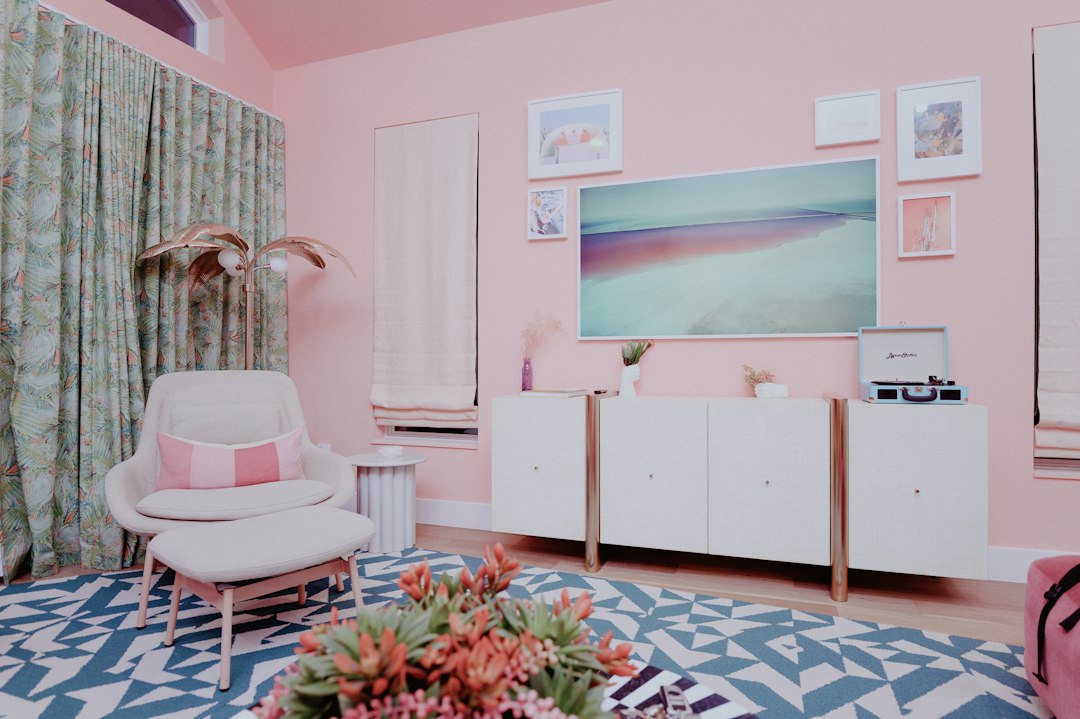
A daily wellness routine works best when it’s simple, flexible, and built around moments that are already part of your day. Instead of trying to overhaul everything at once, you’ll design small anchors, easy checklists, and gentle rhythms that add up. This guide shows you how to create a daily wellness routine you can actually keep—without perfectionism or pressure.
Why routines work: friction, anchors, and identity
Routines reduce the number of small choices you have to make. Fewer decisions mean less friction, so it’s easier to show up. Anchors—reliable moments like waking up, brewing coffee, logging into work, or brushing your teeth—act as cues that tell your brain “this is the next tiny step.” When you pair a tiny action with an anchor, the environment does part of the job for you.
There’s a second benefit: identity. When you show up for small steps regularly, you start to see yourself as someone who cares for your day. That identity encourages more of the same. You don’t need dramatic results to feel progress; you need evidence that you are the kind of person who shows up.
Three principles guide everything in this article:
- Start smaller than you think. If you’re unsure whether a step is small enough, cut it in half.
- Pair actions with anchors. Let the day’s rhythm cue your steps.
- Track effort, not perfection. A simple checkmark for “showed up” is enough.
How to design a daily wellness routine
Start with a quick design pass before you pick any specific habits. This helps your routine support the way you already live.
Use this one-page template:
- Purpose: one sentence on how you want most days to feel (calmer mornings, steadier energy, or clearer focus)
- Pillars: three areas you’ll support (for example: movement, nourishment, attention)
- Anchors: three reliable times (wake-up, midday break, wind-down)
- Micro-actions: one tiny step tied to each anchor (under two minutes each)
- Boundaries: one gentle limit that makes room (for example: phone charges outside the bedroom)
Keep it flexible. Think “minimums” you can do on a busy day and “expanded versions” you do when time opens up. Your minimum keeps the chain, your expanded version brings extra benefits when life allows.
Map your day: find anchor moments and friction points
Anchors and friction determine how easy a routine feels. Anchors are reliable events, and friction points are the places where good intentions usually stall.
Try this short mapping exercise:
- List your day’s touchpoints in order, from waking to bedtime.
- Mark the three you almost never miss (anchors).
- Circle the two places you often get stuck (friction points).
- Attach one tiny action to each anchor, and one tiny fix to each friction point.
Examples of anchors and tiny actions:
- After I start the kettle → pour a tall glass of water and sip while it heats.
- After I open my laptop → write a three-bullet plan on a sticky note.
- After I set my lunch down → add a colorful plant side like tomato slices or cucumbers.
- After I plug in my phone at night → place it outside the bedroom and put a paper book on the pillow.
Examples of friction fixes:
- Evening scrolling → move the charger away from the bed, keep a paper book within reach.
- Skipped movement → keep a yoga mat visible and define a two-minute mobility minimum.
- Unplanned meals → keep a “3C plate” list on the fridge and stock quick proteins.
Morning blueprint options
Mornings don’t need to be elaborate to be effective. A simple sequence can help you wake smoothly and feel centered before obligations pile up. Choose three to five steps and arrange them to fit your time and household.
Menu of morning steps:
- Hydration starter: a full glass of water before coffee or tea
- Light exposure: a few minutes by a window or a short step outside
- Gentle movement: neck rolls, cat-cow, a five-minute mobility video, or a brief walk
- Protein-forward first meal: eggs, yogurt, tofu scramble, or leftovers with beans
- Two-minute tidy: clear a surface you’ll use later (desk, kitchen island)
- Micro-journaling: one line each—Today I will, I’m grateful for, I’ll be kind to myself by
- Plan preview: scan your calendar and define one meaningful win for the day
Examples that fit different mornings:
- Five-minute morning: water, sunlight, stretch, choose one win.
- Commute morning: water at the door, sunlight while waiting, four cycles of box breathing on the bus or train.
- Family morning: pack lunches at night, keep a grab-and-go basket, use a short playlist that signals the morning arc for kids.
If screens scatter your attention early, delay them until your first purposeful task. Even a 10–15 minute buffer can keep the day calmer.
Midday and workday rhythm
Workdays often tilt toward meetings and messages. A few micro-habits protect your attention and energy without long hours.
Baseline practices:
- Daily preview (2–3 minutes): write three bullets—Must do, Nice to do, Blockers. Place the Must at the top of your workspace.
- Focus starter (45–90 minutes): silence notifications; choose one task; close tabs you don’t need; set a simple timer.
- Micro-break (every 50–70 minutes): stand, stretch, look far away, and sip water.
- Batch messages (1–3 windows): respond in clusters so messages don’t own your day.
- Shutdown ritual (5 minutes): clear the desk, write tomorrow’s first step, close your laptop with intention.
When meeting loads spike, reduce commitments elsewhere. Swap a long workout for mobility between calls, or plan a one-pan dinner. Your routine should flex with workload, not compete with it.
Evening wind-down that supports deep rest
Evenings are for downshifting. Many people reach for screens at night because they offer easy comfort. Rather than fight that urge, set up a soothing sequence that invites calm on its own.
Try a 60–30–10 rhythm for the last 100 minutes before bed:
- 60 minutes: soft landing—dim lights, light snack if helpful, lay out clothes for tomorrow, simple hygiene routine.
- 30 minutes: quiet comfort—stretching, a paper book, low-volume music, gentle breathing.
- 10 minutes: screens away—place the phone to charge outside the bedroom; note three wins from the day.
Make your bedroom a cue for calm:
- Keep surfaces clear enough that tidying takes two minutes or less.
- Use warm, low lighting and a breathable bedding setup for comfort.
- Store a paper book or notebook within arm’s reach to replace late-night scrolling.
If your schedule varies, create two versions—“Early” and “Late”—so you always have a plan that fits the time you have.
Movement, mobility, and the weekly plan
Movement boosts mood and steadies energy, but it doesn’t need to be a heroic plan. Think “movement snacks” scattered through the day plus a few anchored sessions each week. Keep a short menu posted somewhere you’ll see it.
Movement snacks (1–5 minutes):
- Stand and stretch each time you send a message
- Walk one block before getting into the car or train
- Ten air squats while coffee brews
- Calf raises while brushing teeth
- Shoulder circles after long typing sessions
Weekly anchors (choose 2–4):
- Two brisk walks or cycles (20–30 minutes)
- One short strength routine: push, pull, hinge, squat, carry (15–25 minutes)
- One playful session: a sport with a friend, dancing, or a new park hike
- One mobility flow: hips, shoulders, and spine (10–15 minutes)
Plan with “good, better, best” tiers so you don’t feel boxed in:
- Good: two movement snacks during the day
- Better: movement snacks plus a 15-minute walk
- Best: a full session plus snacks
Track streaks by anchor (for example: “strength once” and “mobility once” each week). Placement builds the habit-friendly identity that keeps consistency going.
Nourishing meals and hydration made simple
Food routines work best when they’re calm, colorful, and repeatable. The goal isn’t a perfect menu. It’s a steady rhythm that supports comfort and energy across the day.
Use the 3C Plate for everyday meals:
- Color: vegetables or fruit add freshness and variety
- Crunch: texture like nuts, seeds, or crisp veggies
- Complete: a satisfying base such as proteins, grains, or legumes
Five-minute upgrades:
- Prep a bowl of ready-to-eat veggies on Sunday (carrots, cucumbers, peppers)
- Keep quick proteins on hand (eggs, yogurt, canned beans, tofu, rotisserie chicken)
- Batch a pot of grains for the week (rice, quinoa, or barley)
- Place a tall water bottle where you work and refill at anchor times (start day, lunch, shutdown)
Snack ideas that travel well: fruit and nuts, hummus with crackers, cheese with whole-grain toast, edamame, or pre-portioned trail mix. Keep choices predictable to lower friction when you’re busy.
Digital boundaries that protect attention
Devices can be helpful tools and noisy distractions. Decide ahead of time how you want them to support your day. A few guardrails can turn technology into an ally.
Practical moves:
- Create two or three “open app” windows; keep the rest closed
- Move distracting icons to a folder off the home screen
- Use Focus or Do Not Disturb during deep work and wind-down windows
- Charge the phone outside the bedroom or on the far side of the room
- Use a paper list or a minimalist notes app for daily plans
When you want leisure time on screens, make it intentional: queue a movie or a favorite show, set a time window, and enjoy fully. The goal isn’t to cut out fun—it’s to choose it on purpose.
Habit stacking for wellness
Habit stacking means linking a tiny action to something you already do. Because the cue is reliable, the new habit rides along without requiring a big motivation spike.
Formula: “After I [current habit], I will [new tiny habit].” Keep the new habit so small it feels almost too easy. The reward is the simple satisfaction of showing up.
Examples by pillar:
- Movement: After I pour coffee, I’ll do 10 calf raises.
- Nourishment: After I set my lunch on the table, I’ll add a handful of greens.
- Focus: After I sit at my desk, I’ll write three bullets for the day.
- Connection: After dinner on Tuesdays, I’ll send one check-in message to a friend.
Stack slowly. One new habit per pillar is plenty. When a stack feels automatic, add another or extend the length.
Tracking effort the kind way
Tracking can be motivating when it’s simple and kind. You don’t need complex dashboards. Your tracker should answer one question: “Did I show up?”
Three friendly tracking options:
- Weekly scorecard: list your anchors and mark a check each time you do the tiny action. Celebrate 60–80% consistency as success.
- Habit cards: make index cards for morning, midday, and evening. Check what you complete, then move the card to the next day.
- Calendar dots: pick a color per pillar and place a dot on a wall calendar each day you show up. The color cluster is its own reward.
Track effort, not outcomes. Compare “Did I sit in sunlight for two minutes?” with “Was I focused all morning?” The first is within your control, the second depends on multiple factors.
Troubleshooting common roadblocks
Every routine meets resistance. That’s not failure—it’s data. Use these gentle fixes when things wobble.
No time: Shrink steps to 30–60 seconds. Replace a full workout with joint circles and a short walk. Replace complex meals with a 3C plate. Replace a long journal with one sentence on how you want today to feel.
All-or-nothing thinking: Define good, better, best. Good is the minimum (two minutes of movement). Better is the standard (15-minute walk). Best is the full version (longer session). All three count.
Family or roommate schedules: Use shared anchors (after dinner, after school drop-off) to pair small actions together. Keep gear visible: mats, water bottles, a fruit bowl.
Travel or late nights: Switch to a travel routine with three moves—hydrate, sunlight, and a two-minute tidy of your bag and clothes before sleep.
Low motivation: Aim for “just start.” Two minutes of action often leads to more. If it doesn’t, you still win because you showed up.
A gentle 30-day starter plan
Use this template to build momentum without intensity. Each week you’ll keep what works and adjust what doesn’t. The goal is ease, not heroics.
Week 1: Notice and nudge
- Identify three anchors and add one tiny habit to each
- Choose a simple morning: water, light, stretch, one win
- Move for five minutes daily in any way that feels good
- Track with a weekly scorecard—aim for 60% show-ups
Week 2: Stabilize
- Keep your tiny habits; extend one to five minutes if it feels easy
- Add a two-item evening wind-down: lay out clothes, charge phone outside the bedroom
- Batch messages into two windows on workdays
- Choose two dinners you can repeat without thinking
Week 3: Layer lightly
- Add one mobility flow or short strength session
- Adopt the 60–30–10 evening rhythm on three nights
- Create a weekend reset checklist and test it
- Add one connection habit (weekly friend check-in)
Week 4: Personalize
- Keep what felt natural, drop what felt heavy
- Set good, better, best versions for movement and focus
- Refresh your trackers—calendar dots or habit cards
- Choose a small celebration: a new book, a picnic, or a day trip
By Day 30 you’ll likely feel your routine carrying some of the load for you. That’s a sign your system fits your life.
Weekend reset to keep the week light
A short weekend reset makes weekdays feel smoother. Think of it as placing your backpack by the door before a trip. You’re not planning every moment—you’re reducing friction for the next few days.
A 45–60 minute reset could include:
- Quick space reset: clear counters, empty trash, start laundry
- Meal glance: choose three simple dinners and check ingredients
- Calendar check: highlight two priorities and one personal activity
- Refill stations: water bottles, coffee beans or tea, snacks, charging cables
- Outdoors time: a walk, a park visit, or time in the garden or on the balcony
End with a tiny reward—an easy dessert, an episode of a favorite show, or a call with a friend. Positive associations make the reset something you look forward to.
Real-life templates you can copy
These sample routines show how flexible a wellness-friendly day can be. Mix and match what fits.
The Commuter
- Morning: water and sunlight at the door; stretch while coffee brews; plan preview on the train
- Workday: one 60–90 minute focus block; micro-breaks each hour; messages at 11:30 and 4:30
- Evening: 60–30–10 rhythm; phone charges by the entryway; three wins in a notebook
- Movement: walk the last bus stop home; 10-minute mobility after dinner
The Parent
- Morning: a short playlist cues the sequence; breakfast uses a 3C plate for everyone
- Daytime: two-minute tidy after lunch; outside play counts as a movement snack
- Evening: set out tomorrow’s bags at the 60-minute mark; family stretch or story time at the 30-minute mark
- Weekend: 45-minute reset while kids watch a show
The Remote Worker
- Morning: water, sunlight, five-minute mobility, one meaningful win
- Workday: two focus blocks (70–90 minutes); lunch away from the screen; three calendar dots for movement
- Evening: short walk at sunset; device charges in the kitchen; paper book in bed
- Movement: short strength session on Monday and Thursday; longer walk on Saturday
The Student
- Morning: water, sunlight, 10 calf raises; choose one academic win and one life admin win
- Study blocks: 45–60 minutes with a timer; plan three bullets before opening apps
- Evening: device charges outside the bedroom; journal one line about what felt meaningful
- Movement: brisk walk between classes; one short strength set after a main meal
The Shift Worker
- Pre-shift: hydration, light exposure, simple protein and color
- During shift: micro-breaks each hour; calendar dots for movement; messages in defined windows
- Post-shift: quiet wind-down with low lights and a brief mobility routine
- Days off: weekend reset on the first free morning; gentle outdoor time
Make it yours: adapt by season, energy, and context
Routines breathe. During busy seasons, shrink steps and protect anchors. During spacious seasons, explore longer movement, batch cooking, or slower evenings. During travel, use a three-move travel kit (hydrate, light exposure, two-minute tidy).
Monthly check-in prompts:
- What felt easy (keep)
- What felt heavy (lighten or remove)
- What felt inspiring (expand)
When life changes—new job, caregiving, moving homes—return to the basics and rebuild your three anchors. A routine that flexes with your reality lasts much longer than a rigid plan.
Toolkit, spaces, and cue design
You don’t need much gear to support your day. A few cues and comforts go a long way. Prioritize items that make the next step obvious and easy.
Useful tools:
- Timers: a physical timer or one-tap mobile timer for focus blocks
- Checklists: a whiteboard on the fridge or printable habit cards near your desk
- Comfort staples: a water bottle you like, a yoga mat kept visible, a supportive pillow setup
- Light exposure: sit by a bright window for a few minutes each morning
- Paper book: place it where late-night scrolling used to happen
Arrange your spaces so the next step is easier than the alternative. For example, put your walking shoes near the door, keep a fruit bowl at eye level, and store the phone charger outside the bedroom. For more habit ideas and printable checklists, browse the Good Habits section on LJ Life at https://lj-life.com/category/good-habits-health-and-wellness/.
Comparisons that simplify choices
Sometimes people stall because there are too many options. Use these comparison factors to choose “good enough” tools and steps rather than chasing the ideal.
Movement: home vs. gym
- Home wins if: you want zero commute, short bursts, and privacy.
- Gym wins if: you like equipment variety, classes, or social energy.
- Middle path: a short home setup (mat, band, dumbbells) plus occasional gym visits.
Meals: cooking vs. assembly
- Cooking wins if: you enjoy the process and have a bit more time.
- Assembly wins if: you want speed—think rotisserie chicken, bagged greens, and a grain bowl.
- Middle path: cook once, assemble twice from leftovers.
Focus tools: paper vs. digital
- Paper wins if: you want tactile focus and less notification temptation.
- Digital wins if: you’re collaborating or need searchability.
- Middle path: paper for daily plan, digital for projects.
Hydration: reminders vs. placement
- Reminders win if: you respond well to nudges.
- Placement wins if: you’ll drink what’s already in front of you.
- Middle path: a visible bottle and one gentle reminder mid-morning and mid-afternoon.
Maintenance: review, refresh, and re-anchor
Even a great routine drifts if you don’t refresh it. Maintenance is how you keep a supportive system alive without overhauling it each time.
Monthly refresh (20–30 minutes):
- Scan your trackers for bright spots. Keep two things that felt easy.
- Retire one step that felt heavy. Replace it with a two-minute version.
- Check anchors. Are your three anchors still reliable? If one changed, pick a new anchor that happens every day.
- Revisit your purpose sentence. Does it still match your season?
Quarterly update (45 minutes):
- Rotate movement focus (a new trail, a different class, or a strength block).
- Refresh the 3C plate with seasonal produce and a new grain.
- Tidy your digital environment: folders, notes, and recurring reminders.
- Choose a small skill to learn (knife skills, breathwork basics, or a new stretch sequence).
Maintenance isn’t about doing more. It’s about keeping your routine sized correctly for the life you’re actually living.
Your one-page checklist
Copy this list and tape it somewhere visible for two weeks. Edit once you see what you enjoy.
- Purpose: I want most days to feel ________
- Pillars: Movement • Nourishment • Focus • Connection
- Anchors: Wake-up • Midday • Wind-down
- Micro-actions: 2-minute move • Add color to plate • Three bullets • Message a friend
- Boundaries: two app windows • phone charges outside bedroom • shutdown ritual
- Weekly reset: space, meals, calendar, refills, outdoors
- Tracking: effort only—dots, cards, or scorecard
- Good/Better/Best: define for movement and focus
- Celebrate: choose a tiny weekly reward
Keep showing up for the smallest version on busy days and the fuller version when time opens up. Over weeks and months, those steady steps reshape how your days feel—and they do it in a way that lasts.
