If you’ve ever opened the fridge at 7 p.m. with zero plan, you already understand why balanced meal prep is a lifesaver. balanced meal prep is not a rigid diet or a stack of bland boxes; it’s a simple routine that helps you cook once, eat well for days, and keep your plate varied in a way that works for real life. This guide gives you a repeatable system: how to set up your kitchen, what to buy, the plate ratios that keep meals satisfying, a 90‑minute weekend workflow, storage know-how, and plenty of flavorful ideas so you never feel stuck eating the same thing.
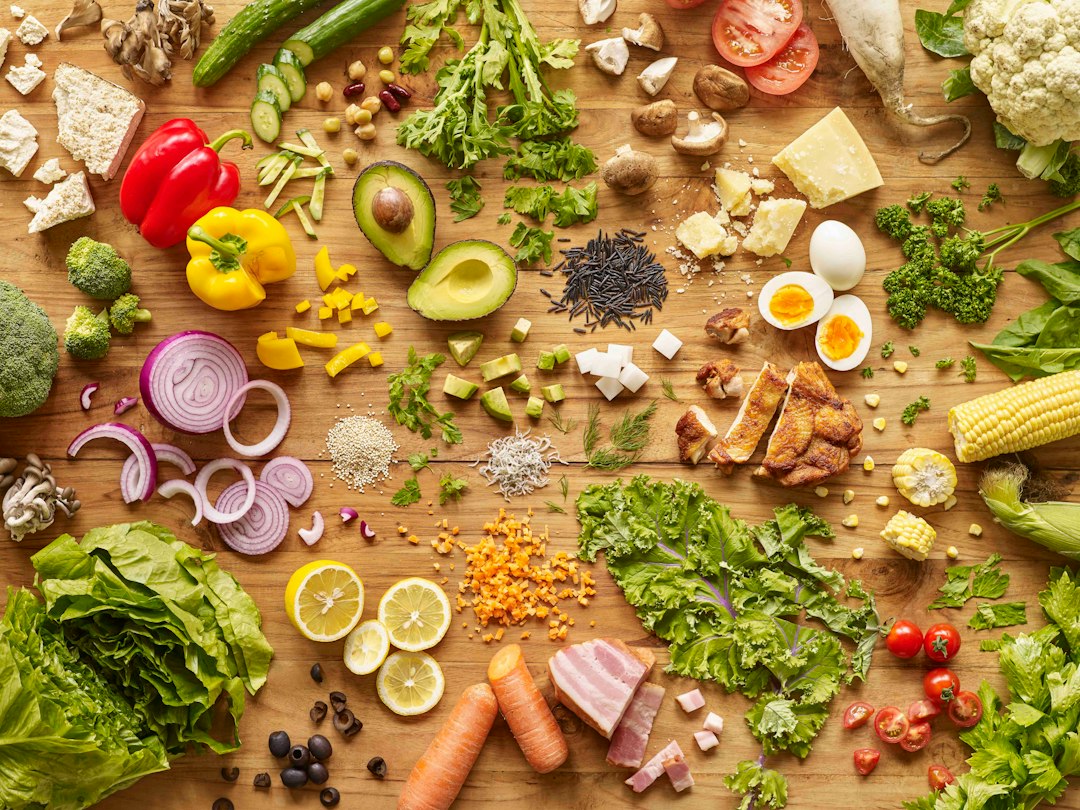
What is balanced meal prep and why it works
When people hear meal prep, they often picture identical containers lined up like a factory conveyor belt. That image can feel limiting, and it misses the point. The goal is not uniformity; the goal is flexibility. Balanced simply means your average plate across the week includes a steady mix of fiber‑rich carbohydrates, protein, colorful produce, and healthy fats. Prep means you move some decisions and labor upstream, so weeknights become easier. The payoff is less last‑minute stress, reliable energy from meals that fill you up, and more control over ingredients, portions, and cost.
Think of your meals as a playlist. If a playlist repeats the same track, you’ll skip it. If the order is shuffled from a pool you already like, you keep listening. A good prep routine works the same way: you batch basic components, then mix and match them into different meals. Grains become bowls, wraps, and soups. Roasted vegetables jump into salads, pasta, and snacks. A versatile protein supports tacos one night and fried rice the next. With this approach, you can handle cravings that change day to day without starting from zero.
Three principles keep the system smooth:
- Cook building blocks, not full meals: Focus on grains, proteins, vegetables, sauces, and a few pre‑chopped extras. They’re easier to combine in many directions.
- Follow a plate ratio, not a strict menu: A plate that loosely hits half produce, a quarter protein, and a quarter high‑fiber carbs with a small amount of healthy fat tends to feel satisfying to many people.
- Flavor early and late: Season components while cooking, then add a quick sauce, fresh herbs, or acidity at the end. Layering keeps leftovers lively.
The healthy plate in everyday terms
The plate most home cooks can rely on looks like this: roughly half your plate produce (leafy greens, roasted vegetables, fresh fruit on breakfast plates), a quarter protein (beans, tofu, eggs, fish, poultry, or lean cuts of meat), and a quarter fiber‑rich carbohydrates (brown rice, quinoa, barley, whole‑wheat pasta, potatoes with skins, or corn). Add a thumb‑size portion of healthy fat (olive oil, tahini, avocado, nuts, seeds) to carry flavor and keep you satisfied. It’s a friendly visual guide, not a rule you must hit at every single meal. Some days your carbs may be a bit higher; other days your plate might lean into greens. Over a week, consistency matters more than precision.
To use the plate easily, consider where each meal needs help. If your breakfast leans heavy on grains (overnight oats), add fruit for color and crunch, a spoon of yogurt for protein, and a few nuts or seeds for richness. If lunch is a hearty bean chili (lots of protein and carbs), pile on a side salad or spoon it over roasted vegetables, then finish with a swirl of yogurt or avocado. For dinner, if you’re making a stir‑fry that’s rich in vegetables and protein, serve it with brown rice or soba to support steady energy. Nothing is off limits in this framework; you’re simply arranging your plate so it works harder for you.
Set up your pantry, fridge, and freezer
Balanced cooking starts with a kitchen that supports quick decisions. Stock core items in each zone to remove friction.
Pantry (shelf‑stable ingredients that broaden options):
- Grains: brown rice, quinoa, bulgur, farro, oats, whole‑wheat pasta
- Beans and legumes: chickpeas, black beans, lentils (canned or dry)
- Flavor starters: olive oil, sesame oil, vinegars, soy sauce or tamari, canned tomatoes, coconut milk, broth, mustard
- Crunch and add‑ons: nuts, seeds, nut butters, whole‑grain crackers, dried fruit
- Seasoning base: salt, pepper, garlic powder, paprika, cumin, chili flakes, curry powder, Italian herbs
Fridge (fresh items that define the week’s personality):
- Produce: leafy greens, carrots, onions, bell peppers, broccoli, cauliflower, mushrooms, cucumbers, citrus, berries
- Proteins: tofu or tempeh, eggs, fish, poultry, lean meats, and cultured dairy like yogurt if you enjoy it
- Flavor boosters: lemons, limes, fresh herbs, pesto, salsa, hummus, kimchi, pickles
Freezer (the safety net):
- Vegetables: peas, spinach, broccoli, mixed stir‑fry blends
- Fruits: berries, mango for smoothies or quick compotes
- Proteins: cooked beans, pre‑portioned fish or poultry, veggie burgers
- Cooked grains: bags of frozen rice or quinoa for true emergencies
Label shelves by purpose: “Grains and Beans,” “Sauces and Oils,” “Snack Corner,” “Leftover Zone.” That small bit of organization trains your brain to scan quickly and helps others in your home find what they need.
Your 90‑minute weekend workflow
This routine gives you a stocked fridge without spending your entire Saturday in the kitchen. Adjust quantities based on your household size.
- Start the long items (0–10 minutes): Set a pot of grains (brown rice, barley, farro) and a tray of root vegetables to roast. If using a slow‑cook protein like a pot of beans or chicken thighs, season and start them now.
- Wash and chop produce (10–35 minutes): Rinse leafy greens and spin dry. Cut onions and peppers into strips for quick sautés. Slice cucumbers and carrots for snacking. Halve cherry tomatoes. Store in clear containers so you can see your options.
- Cook a quick protein (35–55 minutes): Pan‑sear tofu, roast a sheet pan of chickpeas, or grill chicken breasts. Season simply with salt, pepper, and a spice blend so it plays well in multiple dishes.
- Make two sauces (55–70 minutes): Stir together a bright vinaigrette (lemon, olive oil, mustard) and a creamy sauce (yogurt tahini, peanut lime). Sauces are your variety engine.
- Assemble grab‑and‑go items (70–90 minutes): Overnight oats, chia puddings, a jar of pickled onions, and a container of washed salad greens give you a head start during the week.
By the end, you have grains, roasted vegetables, a ready protein, crisp raw produce, and two sauces. That’s enough to build lunches and dinners for several days, with breakfasts and snacks partly handled too.
Smart grocery list: group by purpose
Shopping is easier when your list mirrors the way you cook. Use these sections and plug in items you enjoy.
- Produce for color and crunch: leafy greens, broccoli, cauliflower, carrots, cucumbers, bell peppers, onions, garlic, sweet potatoes, berries, apples, citrus
- Proteins: tofu, tempeh, eggs, fish, poultry, lean meats, beans (canned or dry)
- Carbs for steady energy: brown rice, quinoa, barley, oats, whole‑wheat pasta, corn tortillas, potatoes
- Healthy fats: olive oil, avocado, tahini, nuts, seeds
- Flavor boosters: lemons, limes, soy sauce or tamari, vinegars, mustard, canned tomatoes, salsa, chili paste, miso, fresh herbs
To keep costs in check, choose a few items to splurge on (good olive oil, fresh herbs, or your favorite yogurt) and keep everything else basic. House brands and frozen produce are often great quality at a lower price. If you’re new to this, cap the list at 25 items so you don’t overload your first week.
Flavor without overload
Great prep is never boring; it’s built on flavor. The trick is to add taste without relying on heavy amounts of salt or sugar. Try a two‑step approach. Step one, season during cooking: salt the water for grains, toss vegetables with a little oil and spices before roasting, and add aromatics like garlic, onion, ginger, or scallions to pans at the start. Step two, finish with contrast: squeeze lemon or lime, splash vinegar, scatter fresh herbs, spoon a punchy sauce, or add texture with nuts and seeds. That finish takes a container from “leftover” to “exciting dinner.”
Keep a tiny “flavor tray” in the fridge: lemon halves, a jar of pickled onions, a small container of toasted seeds, and a bottle of vinaigrette. When you’re tired, this tray is a shortcut to brightness, color, and crunch.
15 mix‑and‑match templates you can reuse
Templates free you from recipes while still giving structure. Start with these and plug in what you prepped.
- Grain bowl: Base of brown rice or quinoa + roasted vegetables + protein + vinaigrette + herbs.
- Mediterranean bowl: Farro + cucumbers, tomatoes, olives + chickpeas + yogurt tahini + parsley.
- Stir‑fry: Sauté onion, garlic, and mixed vegetables + protein + splash of soy sauce or tamari + serve over rice or soba.
- Taco night: Corn tortillas + beans or shredded chicken + slaw from shredded cabbage + salsa + avocado.
- Soup‑plus: Start with canned tomatoes and broth + cooked beans + chopped greens + leftover roasted vegetables + herbs.
- Sheet‑pan dinner: Roast any combination of vegetables + quick‑cook protein on one tray, finish with lemon and herbs.
- Big salad: Mixed greens + chopped crunchy veg + grain scoop + protein + seeds + bright dressing.
- Breakfast jars: Overnight oats with yogurt + fruit + nuts; or chia with milk + berries + peanut butter.
- Fried rice: Leftover rice + mixed vegetables + egg or tofu + scallions + a dash of soy sauce or tamari.
- Wraps: Whole‑grain wraps + hummus + sliced vegetables + protein + a squeeze of lemon.
- Pasta toss: Whole‑wheat pasta + olive oil + garlic + roasted vegetables + beans + parmesan or nutritional yeast if you like.
- Loaded sweet potato: Baked sweet potato + black beans + salsa + yogurt + cilantro.
- Quick curry: Sauté onions and garlic + curry powder + coconut milk + mixed vegetables + chickpeas, serve with rice.
- Snack plate: Crackers + vegetables + hummus + fruit + a few nuts, built in plate ratios.
- Savory toast: Whole‑grain toast + mashed avocado or hummus + sliced tomatoes + egg or tofu + herbs.
Use these not as rules but as springboards. If you have leftover roasted broccoli and a jar of pesto, stir both into cooked farro with chicken or beans and finish with lemon. If you’re short on vegetables one night, dig into your freezer stash and steam peas or sauté spinach to bring the plate back into balance.
Budget and time savers that add up
Balanced cooking can be affordable and fast when you stack small efficiencies:
- Choose one premium, two value picks: If fish is your premium item this week, make tofu and beans your value proteins.
- Use store brands and frozen produce: They’re often just as tasty as name brands and can be easier on the wallet.
- Batch on‑ramps: Cook extra grains and beans, cool, and freeze in flat bags for instant future base layers.
- Reuse pans: Roast vegetables first, then use the hot tray for protein to keep cleanup minimal.
- Plan leftovers forward: Tonight’s roasted vegetables become tomorrow’s pasta toss; chili becomes a loaded sweet potato and then a soup‑plus with greens.
Time, like flavor, builds in layers. A 90‑second vinaigrette saves 10 minutes of indecision later. Rinsing greens on Sunday saves a midweek sink pile. Prepping one protein gives you flexibility for three dinners. These small steps compound into a week that feels easier.
Food quality, storage, and reheating basics
Keeping meals enjoyable over several days is about storing them well and reheating with care. Here are practical guidelines many home cooks use:
- Cool fast: Let hot items cool a bit at room temperature, then refrigerate promptly in shallow containers so they chill evenly.
- Label simply: A strip of tape with the name and date helps you rotate through meals in a good order.
- Typical fridge timelines: Cooked grains and beans often hold quality for about 3–4 days; roasted vegetables and cooked proteins are commonly enjoyed for 3–4 days; washed greens and raw cut vegetables vary but are often best within a few days. Use your senses and context as your guide.
- Freezer strategy: For longer storage, freeze cooked components in portioned containers and reheat later. Many items reheat well in a skillet with a splash of water or broth.
- Reheat gently: Add a bit of liquid to grains or beans so they become fluffy again; finish vegetables in a skillet for texture; warm sauces separately to keep flavors bright.
To lower the chance of food waste, keep perishable items visible and plan to use the most delicate produce first. If plans change, slide extra portions into the freezer. When in doubt about an item’s quality, rely on your senses and that simple label you wrote on prep day.
Adapt the plan: vegetarian, gluten‑free, dairy‑light, and more
Meal prep is a framework you can adapt to your preferences. If you’re vegetarian, lean into beans, lentils, tofu, and tempeh and pair them with grains like quinoa, bulgur, and barley. If you prefer to go dairy‑light, rely on olive oil, avocado, tahini, and nuts for richness and use yogurt as a garnish rather than the base for sauces. If you’re cooking gluten‑free, choose naturally gluten‑free grains (rice, quinoa, buckwheat) and rely on corn tortillas and potatoes for variety.
Remember, the plate ratio is still your anchor: half produce, quarter protein, quarter fiber‑rich carbs, plus a small amount of healthy fat. You can honor cultural flavors you love by swapping spices and sauces: cumin and chili for a Tex‑Mex vibe, curry powder and coconut milk for a cozy bowl, soy sauce or tamari and sesame oil for a quick stir‑fry, or lemon and dill for a fresh Mediterranean feel. The system belongs to you.
Make it a habit: troubleshooting and momentum
Like any skill, meal prep gets easier with practice. Common snags and fixes:
- Boredom: Rotate sauces weekly. Keep two house favorites and one wild card.
- Time crunch: Halve your prep list. Choose one grain, one protein, two vegetables, and one sauce. Even 45 minutes makes a big difference.
- Too many containers: Batch components in larger containers and assemble meals on the spot. That reduces dish count and keeps texture better.
- Over‑prepping: Aim for four days, not seven. You can always top‑up midweek with a quick roast or a pot of grains.
- Flavor fatigue: Finish with something bright. A squeeze of citrus, a spoon of pickles, fresh herbs, or a drizzle of chili crisp can wake up a familiar bowl.
Set tiny goals. For week one, wash and chop vegetables and cook a single pot of grains. For week two, add a protein and two sauces. By week four, you’ll have a routine without thinking about it. The goal is meals that serve your life, not the other way around.
Family and shared kitchens
If you’re cooking for a family or housemates, your best friend is the “bar” setup: build‑your‑own bowls, tacos, or salads assembled from a lineup of prepped components. One person might choose chicken, another beans; one wants extra vegetables, another wants extra grains. Everyone gets a plate they enjoy, and you only cooked once. Keep kid‑friendly basics (mild salsa, shredded cheese or a dairy‑free alternative, sliced cucumbers, fruit) in the mix, and let each person finish with a squeeze of something bright.
Use a whiteboard or a sticky note on the fridge to list what’s prepped. People are more likely to build a plate when they can scan the choices quickly. If you share shopping duties, organize a shared list app with the same categories you use for cooking—produce, proteins, carbs, fats, flavor boosters—so nothing is forgotten.
Four‑week starter plan and printable‑style checklist
To build momentum, try a simple four‑week arc. You’ll repeat the bones of the system while rotating flavors so it stays interesting.
Week 1: Brown rice, roasted broccoli and carrots, pan‑seared tofu, lemon vinaigrette, peanut lime sauce. Bowls, stir‑fries, and wraps all week.
Week 2: Quinoa, roasted cauliflower and peppers, chickpeas, yogurt tahini, quick salsa. Grain bowls, big salads, and taco night.
Week 3: Barley, sheet‑pan sweet potatoes and onions, shredded chicken or beans, pesto, pickled onions. Pasta tosses, curry‑style bowls, and loaded sweet potatoes.
Week 4: Farro, roasted mushrooms and zucchini, tempeh or fish, miso ginger dressing, sesame seeds. Stir‑fries, fried rice, and savory toast.
Reusable weekly checklist:
- Two grains (one faster like quinoa or couscous, one slower like brown rice or barley)
- One oven tray of mixed vegetables + one skillet vegetable
- One protein you can split into two dishes
- Two sauces (one bright, one creamy)
- One breakfast item + one snack tray
- Label and date everything; set a midweek 20‑minute top‑up
As you iterate, swap ingredients seasonally. In spring, think asparagus and peas; in summer, tomatoes and corn; in fall, squash and brassicas; in winter, roots and hearty greens. The structure stays, the ingredients change.
Real‑world examples: two complete weeks
Here are two sample weeks showing how components stretch into meals without feeling repetitive.
Sample Week A
- Prep: Brown rice; roasted broccoli and carrots; black beans; lemon vinaigrette; yogurt tahini; cucumber slices; a jar of pickled onions.
- Meals: Bowl with rice, broccoli, beans, tahini, and herbs; tacos with beans, slaw from carrot shreds, salsa, and avocado; salad with greens, cucumber, pickled onions, herbs, and rice; loaded sweet potato with beans and yogurt; fried rice with leftover vegetables and egg.
Sample Week B
- Prep: Quinoa; roasted cauliflower and bell peppers; tofu; peanut lime sauce; tomato herb vinaigrette; blueberries; overnight oats.
- Meals: Grain bowl with quinoa, roasted vegetables, tofu, peanut sauce; wraps with hummus, roasted peppers, cucumber, and tofu; big salad with quinoa, greens, tomato vinaigrette, and seeds; simple curry with coconut milk, roasted cauliflower, and chickpeas; savory toast with avocado, tomatoes, and tofu.
Notice how each dinner can inspire the next day’s lunch, often with a tiny twist. The more you practice this flow, the faster it becomes.
When you want to cook less
Even with a great routine, some weeks will be extra packed. Use minimal‑effort options:
- Two‑item dinners: Roast a sheet pan of frozen stir‑fry vegetables while boiling soba; toss both with soy sauce or tamari and sesame oil.
- One‑bowl soups: Simmer canned tomatoes, broth, and a handful of pasta or rice; stir in frozen spinach and a can of beans; finish with olive oil and herbs.
- Snack meal: Whole‑grain crackers, hummus, cucumbers, fruit, and a handful of nuts arranged by plate ratios.
These are not compromises; they’re part of the system. They carry you through busy stretches without takeout becoming the only option.
Keep learning and make it yours
No system should feel rigid. Keep notes about what works for your taste, schedule, and budget. Maybe you learn that roasted cauliflower is your weekly anchor or that pickled onions spark joy on everything. Maybe you discover that cooking one grain and buying one ready‑to‑heat pouch is your sweet spot. Capture these insights in a phone note or on a sticky on your fridge so future you can skip guesswork.
For more ideas and Healthy Eating stories, explore LJ Life. You’ll find friendly, practical perspectives you can bring straight to your kitchen. Keep rotating sauces, swapping vegetables, and refining your plate ratios. With a little practice, balanced cooking becomes background music for your week: supportive, steady, and satisfying.
Quick reference: ratios, portions, and swaps
When in doubt, return to this small cheat sheet you can memorize over time:
- Plate ratio: half produce + quarter protein + quarter fiber‑rich carbs + a little healthy fat.
- Breakfast tweak: oats + fruit + yogurt + nuts/seeds; or eggs + vegetables + toast + avocado.
- Lunch shortcut: big salad + grain scoop + protein + dressing + seeds.
- Dinner fallback: sheet‑pan vegetables + quick protein + lemon + herbs; serve over rice or pasta.
- Flavor finishers: citrus, vinegar, fresh herbs, toasted seeds, pickles, a creamy or spicy sauce.
- Seasonal swaps: spring (asparagus, peas), summer (corn, tomatoes), fall (squash, kale), winter (roots, cabbage).
The more you lean on these anchors, the easier it is to improvise. There’s no single correct way to do this; there is only the way that feeds you well, fits your budget, and suits your days. That is the shape of a balanced, sustainable routine.
